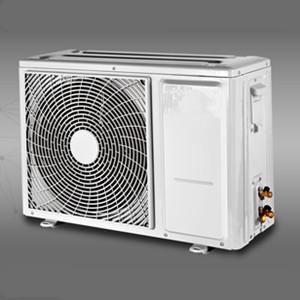
How Air Source Heat Pumps Work?
Air source heat pumps work by absorbing heat from the outside air and converting it into usable heat using a refrigerant cycle that includes coils and a compressor. In this guide, we'll explain in detail how air source heat pumps work, their advantages, and why they are increasingly becoming a popular choice for modern heating systems.
1. What is an Air Source Heat Pump?
An air source heat pump (ASHP) is a system designed to capture heat from the ambient air. Its design includes a condenser, evaporator, expansion valve, and compressor, which work together to extract, amplify, and deliver heat into the home.
There are some key differences between gas boilers and air source heat pumps. Unlike traditional gas boilers that burn fuel to generate heat, air source heat pumps absorb heat from the surrounding outside air. They don't directly generate heat; instead, they use a refrigeration cycle to convert low-temperature heat into usable warmth for the home.
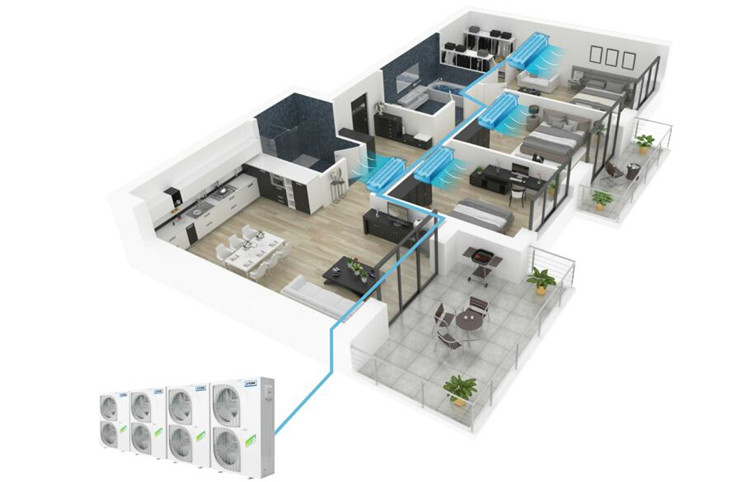
2. How Do Air Source Heat Pumps Work?
If you're looking for an explanation of air source heat pumps, here's everything you need to know about how they work.
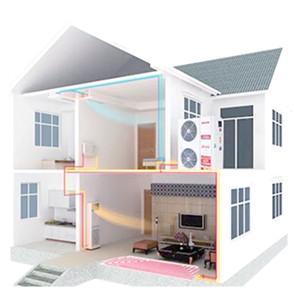
An air source heat pump works by using a refrigerant in a continuous heat exchange cycle, driven by coils and a compressor. First, the system draws in outdoor air via a fan, similar to a traditional air conditioning unit. The air flows through a heat exchanger filled with liquid refrigerant, which absorbs heat and vaporizes, allowing it to function even at freezing temperatures.
Next, the refrigerant is compressed. This compression raises its temperature, generating heat. The heated gas then passes through another heat exchanger inside the house.
At this stage, heat is transferred to your heating system, such as radiators, underfloor heating, or hot water tanks. As heat is released, the refrigerant cools and condenses back into a liquid state.
Finally, the cycle repeats seamlessly, with the refrigerant returning outdoors to absorb more heat from the air, ensuring stable and efficient heating.
3. Types of Air Source Heat Pumps
Air Source Heat Pumps
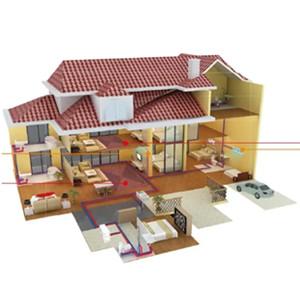
Air source heat pumps transfer heat to water-based systems. They provide heat for radiators, underfloor heating, and hot water tanks, making them suitable for whole-house heating. In the UK, air source heat pumps are the most common alternative to traditional boilers.
Air Source Heat Pumps
Air source heat pumps deliver warm air directly to rooms via indoor units. They do not provide hot water, but can also operate in reverse to provide cooling during warmer months, offering a dual heating and cooling solution similar to many air source heat pumps.
4. What are the advantages of air source heat pumps?
Air source heat pumps offer numerous advantages, such as higher energy efficiency and lower emissions. They are also quieter than many traditional heating systems and may qualify for government subsidies, making them increasingly attractive to homeowners.
1) Reduced Energy Consumption
Air source heat pumps are extremely efficient compared to traditional gas boilers. Because they transfer heat rather than generate it, they consume less electricity than directly generating the same amount of heat. This also helps reduce your energy bills.
2) Sustainability
Because air source heat pumps utilize renewable heat energy from the air instead of fossil fuels, they are a more environmentally friendly way to heat your home. They require less energy to operate, helping to reduce carbon emissions.
3) Reliable Heating
Air source heat pumps provide stable heating, creating a more comfortable indoor environment. Furthermore, they operate with lower noise, making them ideal for residential areas where noise levels are a concern.
5. What is the price of an air source heat pump?
Air source heat pumps typically have higher upfront costs than traditional boilers, but they offer long-term economic benefits. Government incentives, such as boiler upgrade schemes, also help reduce initial costs.
Operating costs decrease over time due to increased efficiency, especially in well-insulated homes. Maintenance is generally simple, and the systems are reliably designed to operate for many years.
6. The future of air source heat pumps
Legislative changes are promoting the wider adoption of air source heat pumps. The UK is committed to achieving its net-zero greenhouse gas emissions target by 2050, and low-carbon heating solutions are being integrated into new buildings.
Supportive programs such as boiler upgrade schemes help offset upfront costs, making efficient heating solutions available to more people. This is particularly important in the residential sector, such as social housing and new residential projects, where energy efficiency and long-term cost savings are paramount.
This shift is shaping the future of heating in new buildings, with air source heat pumps becoming the preferred solution for meeting modern energy efficiency standards. At the same time, they are playing a significant role in heating social housing, providing a scalable and low-carbon solution for large residential developments.
7. Frequently Asked Questions: How Heat Pumps Work
1) Will air source heat pumps be noisy for neighbors?
No. The noise level of heat pumps is comparable to that of standard HVAC equipment. If installed properly, they are unlikely to disturb neighbors or affect indoor comfort.
2) Are air source heat pumps noisier in winter?
Air source heat pumps work harder in winter when temperatures are lower, but the noise level increases only slightly. Modern systems are designed to operate efficiently year-round, so noise changes are usually negligible.
3) What is the difference between air source heat pumps and hybrid heat pumps?
Air source heat pumps (ASHPs) extract heat from ambient air and operate entirely on electricity; hybrid systems, on the other hand, combine a heat pump with a boiler for increased flexibility. For more information, please see our guide: Hybrid Systems or Heat Pumps.
4) What is the difference between a heat pump and a gas boiler?
The main difference between air source heat pumps and gas boilers lies in their heating methods. Heat pumps absorb heat from the air and require electricity to operate. Gas boilers, on the other hand, generate heat directly by burning fuel. If you are struggling to choose between a gas boiler and a heat pump, please read our practical guide.