Are Air Source Heat Pumps Cheaper than Gas Boilers?
Inventors and scientists are working to promote more environmentally friendly home heating methods, such as air source heat pumps. Therefore, as a nation, we need to take measures to reduce harmful carbon emissions.
The most significant aspect of this transformation is the provision of safer and more efficient home heating. With increasing awareness of climate change and growing concern about its urgency, people are more focused than ever on how they use energy.
Currently, air source heat pumps are changing perceptions. Compared to gas boilers, they are highly regarded for their environmental benefits. Heat pumps have low maintenance costs and extremely low emissions. However, before making any changes, their advantages and disadvantages must be weighed.
1. What is an air source heat pump?
These home heating devices have long been overlooked by the industry. However, as times change, these new devices are gradually attracting the attention of consumers and businesses, driving a trend towards reducing fossil fuel use.
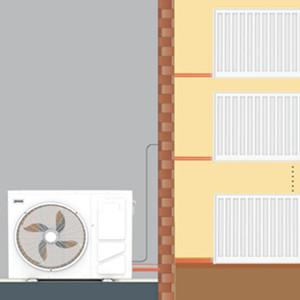
Main heating systems either convert electricity into heat or burn fuel. But heat pumps are quite different; they are more environmentally friendly than gas boilers. Air source heat pumps do not generate heat themselves, but use air as their primary energy source.
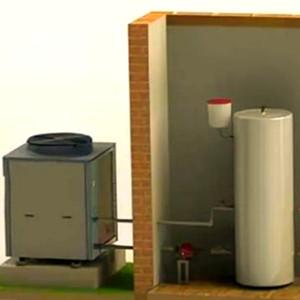
Air source heat pumps work by transferring existing outdoor heat energy indoors and vice versa.
2. What is a gas boiler?
Traditional gas boilers are the central heating systems that most people have relied on for decades. They use oil, electricity, natural gas, or biomass (such as wood pellets) as fuel for combustion; they heat water for underfloor heating, radiators, and domestic hot water.
3. Are air source heat pumps cheaper than gas heat pumps?
To continuously compare which heating device is better, we narrowed down the characteristics of both systems to find the ultimate winner. Will the ultimate winner be the emerging star of sustainable heating—the heat pump—or the long-dominant star—the boiler?
1) Efficiency
The efficiency of a heating system is reflected in the proportion of a large amount of energy converted into the required heat energy. Historically, traditional boilers typically have an efficiency between 50% and 75%, meaning that half to a quarter of their energy is wasted, resulting in low efficiency.
On the other hand, high-efficiency heat pumps can achieve an efficiency of up to 350%, technically known as a coefficient of performance (COP) of 3.5. Heat pumps absorb outdoor natural heat and transfer it indoors. Unlike boilers, heat pumps use natural gas and less electricity, which is a major selling point attracting investors.
2) Noise
Unlike gas boilers, the advantage of purchasing an electric heat pump is its extremely low operating noise. Energy-efficient heat pumps operate at only 40 decibels. If you are planning to replace an older gas boiler, you may need to consider purchasing an air pump.
3) Gas Emissions
While gas boilers heat water faster than electric boilers, they are prone to leaking harmful gases, potentially leading to explosions and fires. Therefore, another option is to invest in an electrically powered heat pump. It can protect you and your family from toxic carbon emissions and health problems.
4) Lifespan
Air source heat pumps typically have a lifespan of close to 15 years, but the latest models are claimed to last approximately 25 years. This long lifespan is attributed to their compact design; they have very few moving parts during operation, resulting in an extremely low failure rate. In contrast, the lifespan of a conventional gas boiler is approximately 8 to 12 years.
5) Space Requirement
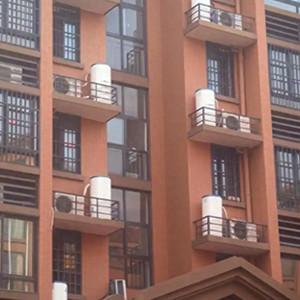
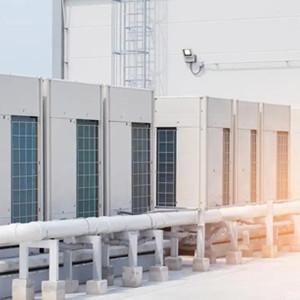
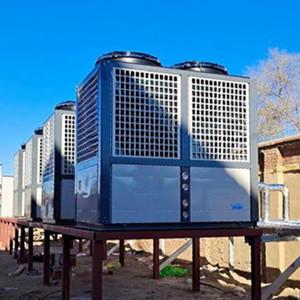
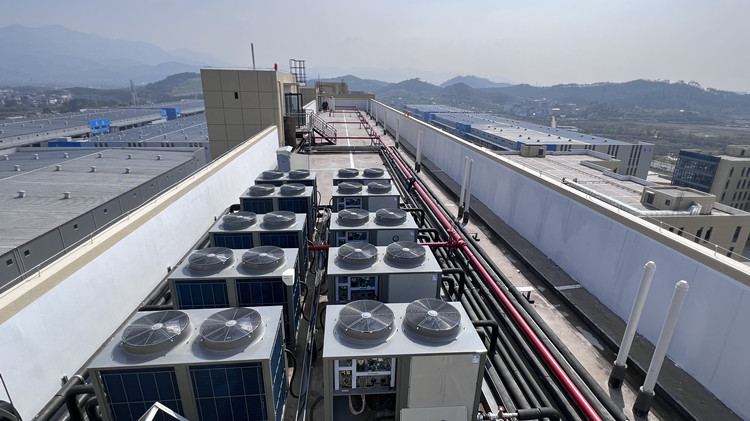
Air source heat pumps require outdoor space for installation. They consist of an outdoor unit, roughly the size of a washing machine. In some cases, you will also need an indoor unit, which acts as a heat exchanger and is larger than the boiler itself; additionally, you may require a hot water tank.
Air source heat pumps use multiple pipes, which can be buried horizontally or vertically underground, depending on the available outdoor space. The size of the indoor unit varies from the size of the boiler to a small enclosure.
In contrast, gas boilers are more compact, especially combined gas boilers that draw hot water directly from the municipal water supply. Like heat pumps, system boilers require a separate hot water tank, while conventional boilers require both a feed water tank and a hot water tank.
6) Installation Costs
If you prefer the most economical and quickest solution, a gas boiler is the right choice. Furthermore, choosing a gas boiler can significantly reduce your installation costs.
The initial installation costs of a boiler are lower, making it more attractive than purchasing an air source heat pump. Heat pumps operate efficiently with good insulation and a large heat dissipation area. They require larger radiators or underfloor heating systems, or better insulation.
7) Operating Costs
Although heat pumps use electricity as their energy source, and electricity costs four times more than natural gas, it is still more efficient than a boiler. Heat pumps consume very little electricity, so their operating costs are comparable to those of a natural gas boiler.
Keep in mind that electricity prices are more likely to fluctuate than natural gas prices. On the other hand, fossil fuels such as oil and natural gas will eventually be depleted, so prices will rise sooner or later.
Final Verdict
This guide will help you make a more informed choice when selecting the right heating system. The comparison above will help you choose between air source heat pumps and gas boilers, thus finding the best solution. Your choice between an air source heat pump and a gas boiler should be based on their importance, whether they suit your home, and your budget.