Air Source Heat Pump Types
Air source heat pumps are widely used. They can be used in three types of systems to distribute heating and cooling:
1. Ducted System
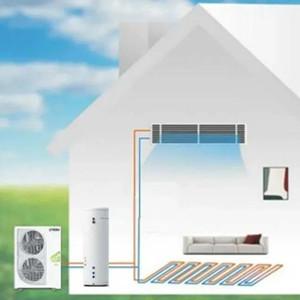
A ducted air conditioning system consists of an outdoor unit (similar to a central air conditioning system), which is connected to an indoor air handling unit, which in turn is connected to the house's duct system. Ducted air conditioning systems are suitable for homes that already have ductwork installed, or homes where the owner plans to install ductwork. One type of ducted air conditioning system, called a "compact ducted system," uses a smaller air handling unit and typically serves two to four rooms.
Single-Zone vs. Multi-Zone Air Source Heat Pumps
A single-zone system pairs one outdoor unit with one indoor unit. This indoor unit can be a ducted system that heats multiple rooms in the house, or a ductless indoor unit (or "main unit") that heats a single zone (usually a room or open-plan living space).
A multi-zone air conditioning system consists of one outdoor unit and multiple indoor units, creating multiple indoor zones. Multi-zone outdoor units can be connected to serve indoor units with and/or without ductwork. You can also achieve temperature control in multiple zones of your home by installing two or more single-zone air conditioning systems.
2. Indoor Units
Indoor units come in several types:
* Wall-mounted
These air conditioning units are typically about three feet wide and one foot high. Ideally, they should be installed at least six inches above the ceiling to ensure airflow. Mounting these units on an exterior wall simplifies connection to the outdoor unit and facilitates drainage of condensate generated during summer dehumidification. Consider the rooms where you want to install the units and their wall mounting location. These units are available for both ducted and ductless systems.
* Ceiling-mounted
Indoor units: These are popular with homeowners looking to save wall space. Ceiling-mounted units are most efficient in rooms with ceiling heights below 8 feet (approximately 2.4 meters) because hot air rises.
* Floor-standing
Radiators, when well-ventilated and with good airflow, operate efficiently, similar to traditional radiators. Floor-standing radiators are approximately two feet high, two to three feet wide, and eight inches deep. If you are considering installing floor-standing radiators, ensure that the floor space is unobstructed. Floor-standing radiators are an ideal heating option because hot air rises naturally. If you are removing old cast iron radiators in a renovation project, these floor-standing radiators can be installed in the original radiator locations. Floor-standing radiators are also suitable for ductless heating systems.
* Vents
These connect to the indoor air handling unit, which in turn connects to your home's ducting system. Some ducted heat pumps can be used with new or existing gas boilers to provide heating and cooling for most of the year, then switch to the gas boiler during the coldest part of winter.
3. Outdoor Unit
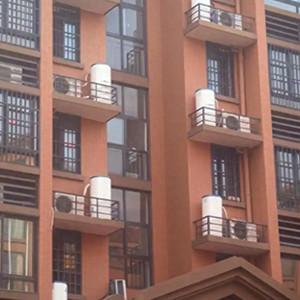
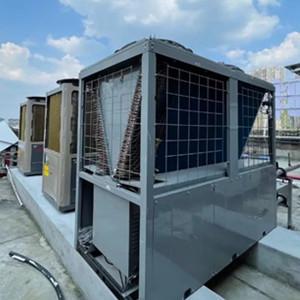
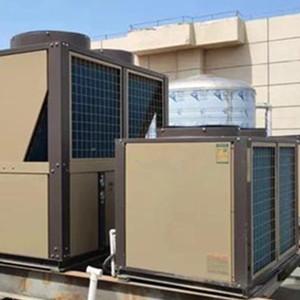
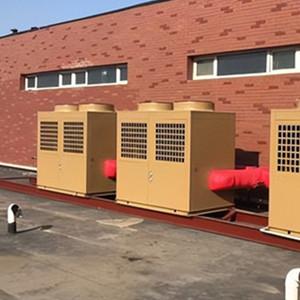
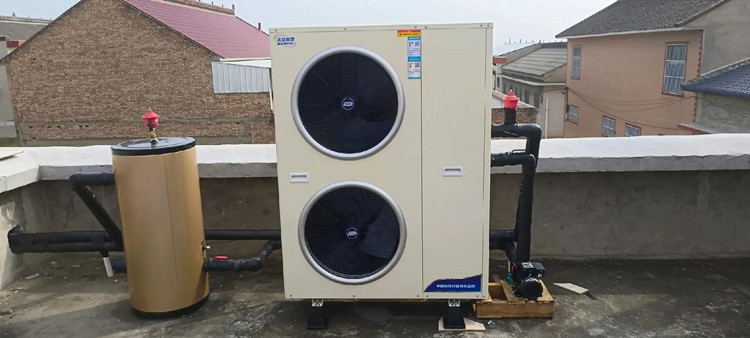
Each air source heat pump outdoor unit occupies a few square feet of space. The specific dimensions depend on the heat pump's cooling capacity and the number of outdoor units installed. The outdoor units of central or multi-head heat pumps typically occupy twice the footprint of traditional air conditioning outdoor units; they are sometimes slimmer but taller. Single-zone outdoor units take up less space, but you may need more units to heat the entire house.
4. Option to Integrate with Existing Heating Systems
While air source heat pumps can meet 100% of a home's heating needs in cold climates, homeowners can choose to retain their existing heating system. In this case, the new air source heat pump can be integrated with the existing system. Depending on the heat pump configuration, multiple thermostats may be required, or an "integrated control system" (i.e., one thermostat controlling both devices simultaneously) may be used to manage the heat pump and the existing heating system. This will help minimize the use of the existing system while maximizing the use of the air source heat pump, resulting in maximum energy savings and comfort. Homeowners should consult with their contractor to determine which configuration best suits their needs. If retaining the existing heating system, homeowners should ensure that the contractor provides clear instructions on how to operate both systems simultaneously.