+86 15603721115 tyler@lnashp.com

  • Home
  • About us
  • Products
    • CO2 Heat Pumps
      • R744 Heat Pumps
    • High Temperature Heat Pumps
    • Air Source Heat Pumps
      • Domestic Heat Pumps
      • Commercial Heat Pumps
      • Industrial Heat Pumps
    • Swimming Pool Heat Pump
      • Residential Swimming Pool Heat Pump
      • Commercial Swimming Pool Heat Pump
      • Spa Heat Pump
    • Hot Water Heat Pumps
      • Domestic Hot Water Heat Pumps
      • Commercial Hot Water Heat Pumps
    • Cold Climate Heat Pumps
      • Low Temperature Heat Pumps
      • EVI Heat Pumps
    • Air to Water Heat Pumps
    • Geothermal Heat Pump
      • Ground Source Heat Pump
    • DC Inverter Heat Pumps
    • Underfloor Heating Heat Pumps
    • Heat Pump Cylinders
  • News
  • Contact us

News

  1. Home
  2. News
  3. How to Solve the Problem of Slow Heating...

How to Solve the Problem of Slow Heating of Air Source Heat Pump

The problem of slow heating of air source heat pump can be solved by the following methods:


1. Improve the installation location of the equipment

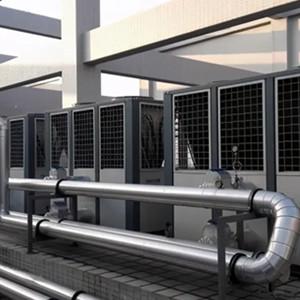
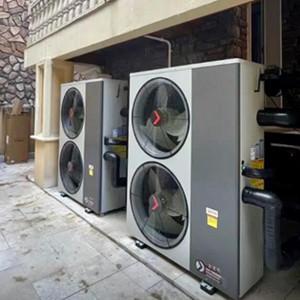
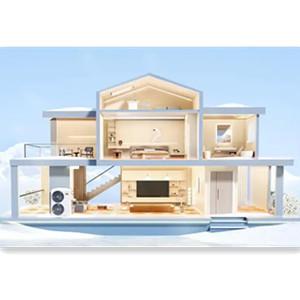
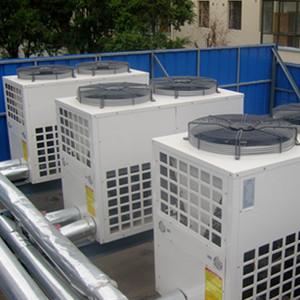
Ensure that the outdoor unit of the air source heat pump water heater or air conditioner is installed in a well-ventilated place to avoid being blocked by debris or close to obstacles, so as to improve the heat dissipation efficiency of the equipment and thus speed up the heating speed.


2. Clean the equipment regularly

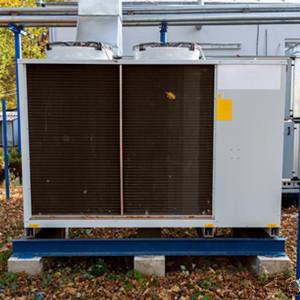
If too much dust accumulates inside the air source heat pump, it will affect its heat exchange efficiency. Therefore, it is recommended to clean the equipment regularly, especially key components such as evaporator and condenser, to maintain good heat dissipation performance.


3. Check and replenish refrigerant

Refrigerant is an important energy conversion medium in air source heat pump. If the refrigerant is insufficient, the heating efficiency will decrease. You can contact professionals to check and replenish the refrigerant.


4. Optimize indoor insulation measures

In a cold environment, the temperature difference between indoor and outdoor is large, and the air conditioner needs to overcome the large temperature difference to increase the indoor temperature. Therefore, the temperature difference between indoor and outdoor can be reduced by adding indoor insulation materials, sealing windows, etc., so as to increase the heating speed.


5. Set the temperature reasonably

Avoid setting the indoor temperature too high, because this will cause the air conditioner to consume more energy to reach the target temperature, which will reduce the heating efficiency. It is recommended to set the temperature within a reasonable range, such as between 16℃-26℃ in winter.


6. Use inverter technology

The air source heat pump with inverter control can improve the heating efficiency by adjusting the operating frequency of the compressor in a low temperature environment. This technology can cope with cold weather more effectively.


7. Regular maintenance and inspection

Regularly maintain and inspect the air source heat pump, including inspection and maintenance of components such as the compressor, circulating water pump, and heat exchanger to ensure that the equipment is in the best working condition.


Through the above measures, the problem of slow heating of the air source heat pump can be effectively solved, and the heating efficiency and service life of the equipment can be improved.
Related News

Fixed Frequency Air Source Heat vs Inverter Air Source Heat Pump

Fixed Frequency Air Source Heat vs Inverter Air Source Heat

Advantages and Disadvantages of Inverter Air Source Heat Pump

Advantages and Disadvantages of Inverter Air Source Heat Pum

Cost of Air Source Heat Pump Heating Equipment for 130 Square Meters House

Cost of Air Source Heat Pump Heating Equipment for 130 Squar

What is the Difference Between a Cascade Air Source Heat Pump and an Air Source Heat Pump?

What is the Difference Between a Cascade Air Source Heat Pum

What is the Reason Why the Air Source Heat Pump does not Shut Down?

What is the Reason Why the Air Source Heat Pump does not Shu

Electric Boiler vs. Air Source Heat Pump

Electric Boiler vs. Air Source Heat Pump

Product Categories

  • CO2 Heat Pumps
    • R744 Heat Pumps
  • High Temperature Heat Pumps
  • Air Source Heat Pumps
    • Domestic Heat Pumps
    • Commercial Heat Pumps
    • Industrial Heat Pumps
  • Swimming Pool Heat Pump
    • Residential Swimming Pool Heat Pump
    • Commercial Swimming Pool Heat Pump
    • Spa Heat Pump
  • Hot Water Heat Pumps
    • Domestic Hot Water Heat Pumps
    • Commercial Hot Water Heat Pumps
  • Cold Climate Heat Pumps
    • Low Temperature Heat Pumps
    • EVI Heat Pumps
  • Air to Water Heat Pumps
  • Geothermal Heat Pump
    • Ground Source Heat Pump
  • DC Inverter Heat Pumps
  • Underfloor Heating Heat Pumps
  • Heat Pump Cylinders

tyler@lnashp.com

+86 15603721115

+86 15603721115

Cihu Technical Area, Maanshan. China

Latest Post

  • What size an Air Source Heat Pump is Needed for Heating 10,000 Square Meters
    What size an Air Source Heat Pump is Nee
    2026-02-14
  • How does the Cost of Running an Air Source Heat Pump Compare to a Gas Boiler or Electric Thermal Storage?
    How does the Cost of Running an Air Sour
    2026-02-07
  • Why do Air Source Heat Pumps use Three-Phase Electricity?
    Why do Air Source Heat Pumps use Three-P
    2026-01-31
  • LatestPost

    • What size an Air Source Heat Pump is Needed for Heating 10,000 Square Meters
      What size an Air Source Heat Pump is Nee
      2026-02-14
    • How does the Cost of Running an Air Source Heat Pump Compare to a Gas Boiler or Electric Thermal Storage?
      How does the Cost of Running an Air Sour
      2026-02-07
    • Why do Air Source Heat Pumps use Three-Phase Electricity?
      Why do Air Source Heat Pumps use Three-P
      2026-01-31

    Feedback

    Contact Us

    tyler@lnashp.com

    +86 15603721115

    +86 15603721115

    Cihu Technical Area, Maanshan. China

    MOBILE WEBSITE

    Copyright © 2015 Maanshan Leomon Energy-Saving Technology Co. LTD All Rights Reserved.

    • Skype.
    • E-mail
    • Whatsapp
    • Inquiry
    Inquiry Us Now !
    Inquiry Us Now !