+86 15603721115 tyler@lnashp.com

Leomon
  • Home
  • About us
  • Products
    • High Temperature Heat Pumps
    • Air Source Heat Pumps
      • Domestic Heat Pumps
      • Commercial Heat Pumps
      • Industrial Heat Pumps
    • Swimming Pool Heat Pump
      • Residential Swimming Pool Heat Pump
      • Commercial Swimming Pool Heat Pump
      • Spa Heat Pump
    • Hot Water Heat Pumps
      • Domestic Hot Water Heat Pumps
      • Commercial Hot Water Heat Pumps
    • Cold Climate Heat Pumps
      • Low Temperature Heat Pumps
      • EVI Heat Pumps
    • Air to Water Heat Pumps
    • Geothermal Heat Pump
      • Ground Source Heat Pump
    • DC Inverter Heat Pumps
    • Underfloor Heating Heat Pumps
    • Heat Pump Cylinders
    • CO2 Heat Pumps
      • R744 Heat Pumps
  • News
  • Contact us

News

  1. Home
  2. News
  3. Are Air Source Heat Pumps Electric?...

Are Air Source Heat Pumps Electric?

Yes, air source heat pumps do rely on electricity to operate. While they require electrical energy to function, the way they use that electricity is fundamentally different from traditional electric heating equipment.

Here is a detailed breakdown of how they work and what that means:
1. Moving Heat vs. Generating Heat
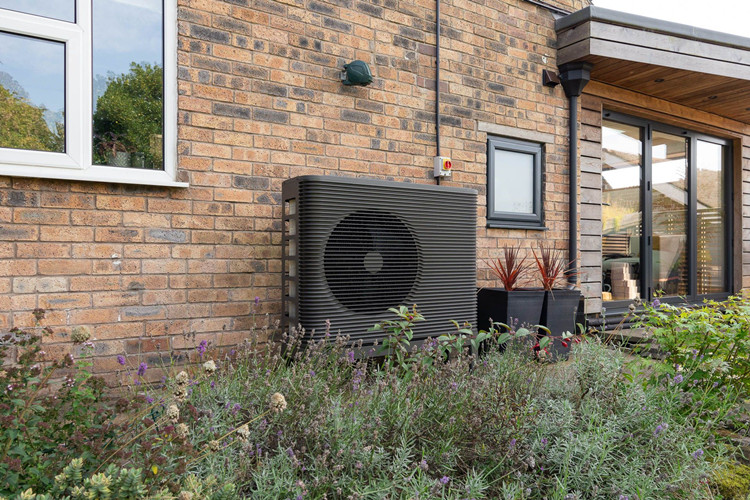
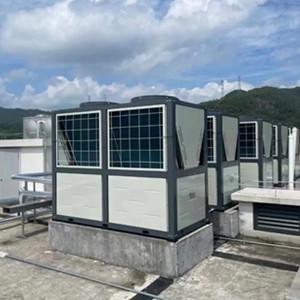
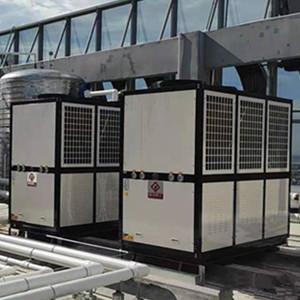
Traditional electric heating equipment—such as baseboard heaters or portable electric space heaters—converts electrical energy directly into heat via electrical resistance. Air source heat pumps, by contrast, use electricity to "move" heat. Through a system of refrigerant, a compressor, and fans, they extract existing thermal energy from the outdoor air and transfer it indoors (or vice versa, for cooling).
2. High Efficiency and Energy Savings
Because heat pumps "move" heat rather than "generating" it from scratch, they are exceptionally efficient.
1) Traditional electric heating equipment has an efficiency of 100% (meaning 1 unit of electrical energy produces 1 unit of heat).
2) Heat pumps typically operate at an efficiency of 200% to 400%. This means that for every 1 unit of electricity consumed, they can deliver 2 to 4 units of heat, resulting in significantly lower operating costs compared to traditional electric heating methods.

3. How Electricity Is Used
Electrical energy is primarily used to power the mechanical components within the system:
1) The compressor (which pressurizes the refrigerant to facilitate the absorption and release of heat).
2) Fans (which move air across the outdoor and indoor coils).
3) Circulation pumps (which keep the refrigerant moving through the system).

4. Auxiliary Heating

In extremely cold climates, the outdoor air may not contain enough easily extractable heat. In such cases, some heat pump systems are equipped with a small, traditional electric resistance heating element—often referred to as "emergency heat" or "auxiliary heat." This component activates automatically when outdoor temperatures drop below a certain threshold (typically near or below freezing) to help maintain the indoor temperature. 


In short:

Yes, they run on electricity, but they do not generate heat by "consuming" electrical energy directly; instead, they use electrical energy to "move" heat, which makes them highly energy-efficient.
Related News

The History and Evolution of Air Source Heat Pumps

The History and Evolution of Air Source Heat Pumps

Air Source Heat Pump Keeps Tripping the Breaker

Air Source Heat Pump Keeps Tripping the Breaker

How to Size an Air Source Heat Pump?

How to Size an Air Source Heat Pump?

Advantages and Disadvantages of Using Air Source Heat Pumps for Heating

Advantages and Disadvantages of Using Air Source Heat Pumps

Advantage and Disadvantages of Installing Air Source Heat Pumps in Hotels

Advantage and Disadvantages of Installing Air Source Heat Pu

Advantages of Collective Heating of Residential Areas with Air Source Heat Pumps

Advantages of Collective Heating of Residential Areas with A

Product Categories

  • High Temperature Heat Pumps
  • Air Source Heat Pumps
    • Domestic Heat Pumps
    • Commercial Heat Pumps
    • Industrial Heat Pumps
  • Swimming Pool Heat Pump
    • Residential Swimming Pool Heat Pump
    • Commercial Swimming Pool Heat Pump
    • Spa Heat Pump
  • Hot Water Heat Pumps
    • Domestic Hot Water Heat Pumps
    • Commercial Hot Water Heat Pumps
  • Cold Climate Heat Pumps
    • Low Temperature Heat Pumps
    • EVI Heat Pumps
  • Air to Water Heat Pumps
  • Geothermal Heat Pump
    • Ground Source Heat Pump
  • DC Inverter Heat Pumps
  • Underfloor Heating Heat Pumps
  • Heat Pump Cylinders
  • CO2 Heat Pumps
    • R744 Heat Pumps

tyler@lnashp.com

+86 15603721115

+86 15603721115

Cihu Technical Area, Maanshan. China

Latest Post

  • Are Air Source Heat Pumps Electric?
    Are Air Source Heat Pumps Electric?
    2026-11-14
  • Air Source Heat Pump Installations by UK Region 2026
    Air Source Heat Pump Installations by UK
    2026-11-06
  • Whats the Cost of Installing an Air Source Heat Pump?
    Whats the Cost of Installing an Air Sour
    2026-10-31
  • LatestPost

    • Are Air Source Heat Pumps Electric?
      Are Air Source Heat Pumps Electric?
      2026-11-14
    • Air Source Heat Pump Installations by UK Region 2026
      Air Source Heat Pump Installations by UK
      2026-11-06
    • Whats the Cost of Installing an Air Source Heat Pump?
      Whats the Cost of Installing an Air Sour
      2026-10-31

    Feedback

    Contact Us

    tyler@lnashp.com

    +86 15603721115

    +86 15603721115

    Cihu Technical Area, Maanshan. China

    MOBILE WEBSITE

    Copyright © 2015 Maanshan Leomon Energy-Saving Technology Co. LTD All Rights Reserved.

    • Skype.
    • E-mail
    • Whatsapp
    • Inquiry
    Inquiry Us Now !
    Inquiry Us Now !