How to Size an Air Source Heat Pump?
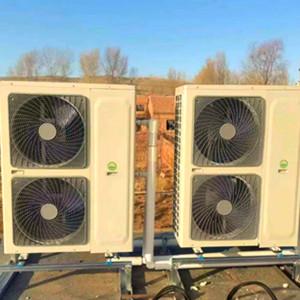
Every homeowner wants a comfortable living environment while also being mindful of energy consumption and costs. Air source heat pumps are becoming increasingly popular due to their environmental friendliness and cost-effectiveness.
However, if you're considering upgrading to this type of heating system, understanding the importance of choosing the right air source heat pump size is crucial. Ensuring the right size air source heat pump has a decisive impact on its efficiency and performance.
In this blog, we'll guide you through everything you need to know about choosing the right size, as well as the key factors to consider, so you can make an informed decision for optimal comfort and cost savings.
What is the standard size of an air source heat pump?
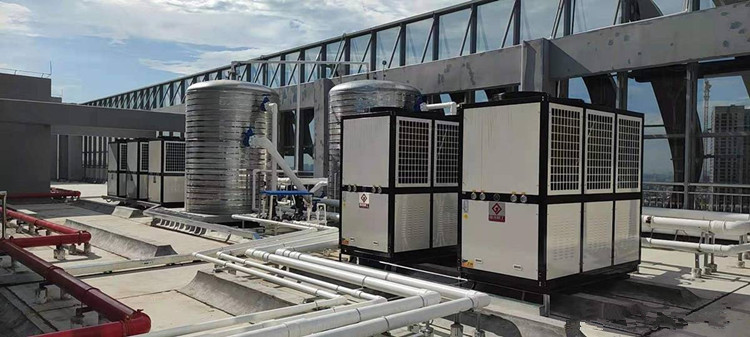
When we talk about the power of a heat pump, we're referring to its heating power output, measured in kilowatts (kW). A higher kW value means the device can generate more heat. There isn't a universal "standard" power for air source heat pumps, as the optimal power depends entirely on your home's specific needs. Our goal is to install a heat pump that efficiently meets your heating needs, without being too powerful or too weak.
For most homes, air source heat pumps typically have a power output between 4kW and 16kW. Smaller, well-insulated homes may only require a 4kW or 5kW unit, while larger homes or older, poorly insulated homes may need a more powerful heating system.
The power output of your air conditioning system depends on the size and insulation of your home. Some common power outputs, depending on the type of home and the quality of insulation, include:
* 1-2 bedrooms: Good insulation – 4kW; Poor insulation – 6kW
* 3 bedrooms: Good insulation – 5kW; Poor insulation – 7.5kW
* 4 bedrooms: Good insulation – 10kW; Poor insulation – 15kW
* 5 bedrooms: Good insulation – 16kW; Poor insulation – 16kW and above
Note that these are estimates only; a professional survey is recommended. You can contact our heat pump experts to schedule an assessment of your home to better understand the appropriate air source heat pump size for your needs.
Why is the size of an air source heat pump important?
You might wonder if choosing the right wattage for your air source heat pump is really important. The answer is yes. Proper wattage selection is crucial for the efficiency of the heat pump, the comfort of your home, and the lifespan of the unit. Choosing the wrong wattage can diminish the benefits of switching to a heat pump.
Many people believe "bigger is better," but oversized air conditioning units can cause indoor temperatures to rise too quickly and shut down frequently, creating what's known as "short cycle time." This frequent start-up and shutdown can cause several problems, such as:
1. Increased wear and tear: Short cycle time puts extra stress on the compressor, shortening the lifespan of the air source heat pump.
2. Energy waste: The system consumes a significant amount of electricity each time it starts up, so frequent start-ups and shutdowns increase your energy costs.
3. Poor dehumidification: If the pump doesn't run long enough to effectively remove moisture from the air, it can lead to a damp and uncomfortable feeling.
Similarly, an underpowered air conditioning unit will run continuously, failing to meet your home's heating needs, especially on cold days. Overloaded units lead to performance degradation, higher energy costs, and potential premature failure. It may also fail to provide sufficient heat to your water tank or underfloor heating.
Choosing the right size air source heat pump directly impacts your home's overall energy efficiency. A properly sized heat pump operates in a stable, long-term cycle, which is its most efficient mode of operation. This ensures the heat pump uses the appropriate amount of heat and energy to maintain comfortable temperatures, thus minimizing your energy costs.
How much power air source heat pump do I need?
So, how do you find the right air source heat pump for your home? Simply looking at your house size isn't enough to determine the best match. While house size is a reference point, the best way to determine the right heat pump size is through a detailed, professional analysis of your home.
A professional installer will first calculate heat loss based on several key factors in your home. Understanding these factors will not only help you maximize the efficiency of your heat pump but also minimize your energy costs. Here are some of the most common influencing factors.
1. House Size, Layout, and Structure
The actual size of the house is one of the most important factors determining the power of an air source heat pump. Generally, larger houses require more powerful heat pumps to meet higher heating demands. A small one-bedroom apartment has far lower heating needs than a large five-bedroom house.
However, it's not just about the total size of the house. The layout is also crucial. Open-plan houses may heat differently than houses with many separate small rooms. High ceilings also increase the amount of air that needs to be heated, affecting the required power output.
The structure of the house is also important. Older houses, due to poorer sealing of building materials, naturally lose heat more easily than modern, well-sealed houses. Installers consider all these details to ensure the air source heat pump can comfortably heat every corner of the home without overworking it.
2. Insulation, Windows, and Air Leaks
The insulation of a house is just as important as its size. Poor insulation is a major cause of heat loss, forcing the heating system to operate for longer periods and at higher intensity to maintain a comfortable temperature. If your house has high-quality insulation in its walls, roof, and floors, you'll only need a smaller, more efficient heat pump.
Doors and windows are also major sources of heat loss. Old single-pane windows and drafty doors allow cold air to enter and warm air to escape.
Before installing a new air-source heat pump, it's best to assess your house's insulation and airtightness. Improvements, such as adding attic insulation or sealing gaps, can reduce the heating load. This may allow you to choose a smaller, less expensive heat pump.
3. Climate and Geographic Location
Your location significantly impacts heat pump selection. The local climate determines the minimum outdoor temperature at which the heat pump must operate. In colder regions, air-source heat pumps need to work harder to extract heat from the air than in temperate regions, meaning that even the same house often requires a different size heat pump across the country.
To ensure your system can handle the coldest winters, installers will select the appropriate heat pump power based on your region's "design temperature." This helps keep your home warm all year round and ensures your heat pump is at its best in terms of energy efficiency and performance, allowing you to enjoy a constant living temperature with peace of mind.