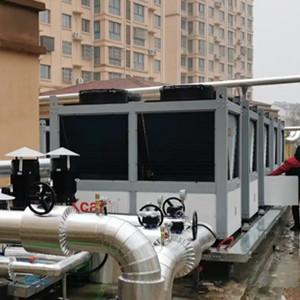
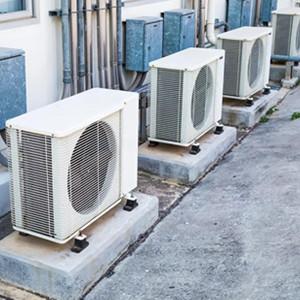
What are the Basic Maintenance Tasks for An Air Source Heat Pump?
While your heat pump's annual servicing should be performed by a qualified MCS engineer, there are maintenance tasks you can carry out yourself to ensure the unit operates correctly. These are minor tasks that do not require much time.
1. Keep the outdoor unit clean
These maintenance tasks should be performed every three to six months, or whenever you suspect the unit is not working effectively.
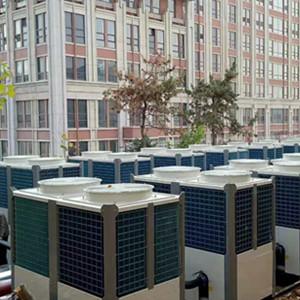
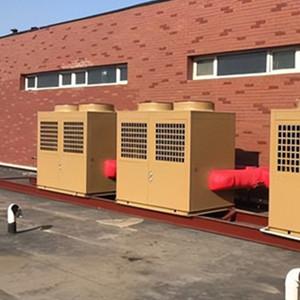
* Maintain at least 30 cm of clearance for airflow. Air source heat pumps require sufficient air intake to function properly. Move potted plants or garden furniture away from the unit to ensure efficient operation.
* Clear away leaves, dust, and debris from around the unit. Debris such as dead leaves can block air intakes, causing the heat pump to consume more energy. The ventilation area must remain unobstructed to help the heat pump regulate internal temperatures.
* Check for ice buildup. air source heat pumps are located outdoors year-round, so a layer of frost or snow on the top of the unit is normal. However, heavy ice accumulation on the unit's exterior or internal coils may indicate a deeper issue.
Condensation typically forms on the condenser coils, but heat pumps feature a built-in defrost cycle to prevent severe freeze damage. Excessive ice buildup suggests the defrost system is malfunctioning—potentially due to a faulty sensor, a stuck reversing valve, or low refrigerant levels. If the vents are not blocked by debris, contact an engineer as soon as possible.
2. Clean the filter
Clean the air source heat pump filter at least once every three months. During peak usage periods, such as winter, you should clean the filter more frequently to prevent the accumulation of dust and dirt, which can restrict airflow. Regular cleaning improves the heat pump's performance and ensures efficient operation.
First, turn off the power to the air source heat pump. After about a minute, the unit will stop running, making it safe to remove the filter. Remove the front cover of the heat pump and wipe it clean with a damp cloth.
Remove the filter and gently clean it using a small brush or a vacuum cleaner with a brush attachment. For some models, you can rinse the filter with warm water to remove all dust and debris. Allow it to dry completely before reinstalling it in the heat pump.
3. Check for blockages and leaks
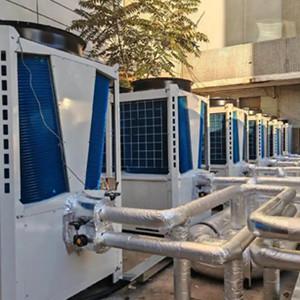
Periodically inspect visible ducts for leaks and cracks. Ducts transport air and exhaust heat; leaks can impede airflow and reduce system efficiency.
Listen for unusual noises or vibrations, which may indicate loose critical moving parts or worn bearings. If you notice any leaks, knocking sounds, or vibrations, contact a professional as soon as possible.