Can An Air Source Heat Pump Replace a Boiler?
Yes. In most existing buildings, an air source heat pump (ASHP) can effectively replace a boiler, meeting both space heating and domestic hot water needs. However, this is not a simple "drop-in" replacement. To ensure the system is efficient, cost-effective, and comfortable, several key factors must be considered.1. Home Insulation ("Fabric First" Approach)
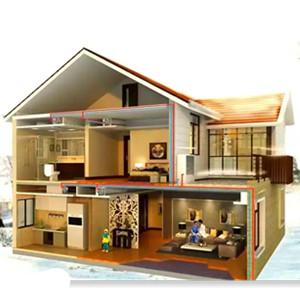
Heat pumps perform best in well-insulated homes. If a house has poor wall insulation, drafty floors, or poorly sealed windows, heat will be lost rapidly. Prioritizing upgrades to your home’s insulation reduces the overall heating demand; this allows for the installation of a smaller, more affordable, and highly efficient heat pump, rather than forcing a unit to work overtime to compensate for avoidable heat loss.
2. Upgrading Radiators and Heat Emitters
Traditional gas boilers typically heat water to 70°C–80°C, whereas air source heat pumps operate most efficiently at lower flow temperatures—generally between 35°C and 55°C. Because the water temperature is lower, existing radiators may not provide enough heat output to keep rooms warm. Consequently, it is often necessary to replace existing radiators with models that have a larger surface area.
* Professional Tip: Before deciding to replace your radiators, try lowering the flow temperature of your current boiler to 40°C–45°C and observe the results for a few days. If your home remains comfortably warm, your existing radiators are likely sufficient for a heat pump system.
3. Hot Water Storage
Unlike instantaneous (combi) boilers, most air source heat pump systems require a hot water storage tank. If your home currently lacks space for such a tank, you will need to account for the necessary space and the associated costs of installing one.
4. Comparison of Initial and Operating Costs
The initial cost of an air source heat pump system is generally higher than that of a gas boiler—often 1.5 to 2 times the installation expense. However, heat pumps offer significantly higher energy efficiency, typically reaching 300% to 400% (meaning that for every 1 unit of electrical energy consumed, 3 to 4 units of thermal energy are produced). This high efficiency translates into lower long-term operating costs, a benefit that is particularly pronounced when replacing older, inefficient boilers. Furthermore, many regions offer government subsidies or incentives—such as the "Boiler Upgrade Scheme" in the UK—to help offset a portion of the initial installation costs.5. Outdoor Unit Placement
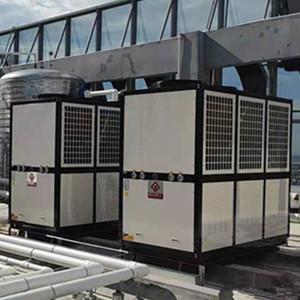
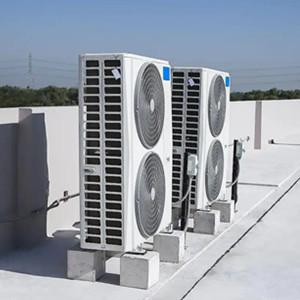
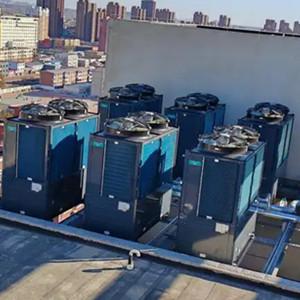
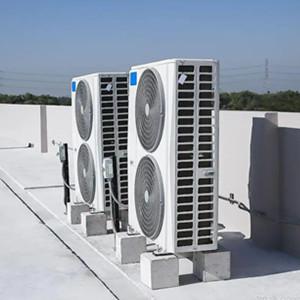
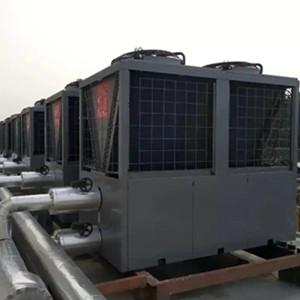
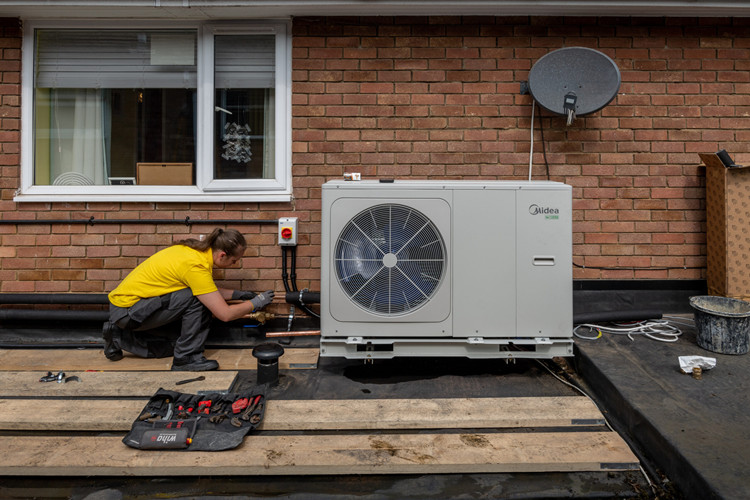
The system requires an outdoor unit to extract heat from the ambient air. This unit needs ample space and good airflow; additionally, its location should be chosen to minimize noise impact (though modern equipment is designed to be as quiet as possible). While heat pumps function effectively in cold climates, their efficiency may decrease slightly in extremely low temperatures (below freezing).
Summary and Recommendations
If you are considering replacing your existing boiler with an air source heat pump, the following steps are recommended:
1. Prioritize insulation: Before determining the specifications for a heat pump, seal any gaps and upgrade your home’s insulation.
2. Obtain a professional assessment: Have a qualified heat pump installer evaluate your home’s specific heat loss and the requirements for your heat emitters (such as radiators).
3. Test your existing system: Try lowering the supply water temperature of your current boiler to see if your existing radiators can still provide sufficient heating at a lower temperature.
4. Research incentive policies: Check whether your local government offers subsidies, rebates, or special electricity tariffs for heat pump users.
In short, an air source heat pump is a viable replacement for a boiler; however, achieving optimal results depends on adopting a "whole-house" heating optimization approach, rather than simply swapping out the equipment.