
Geothermal vs. Air Source Heat Pump
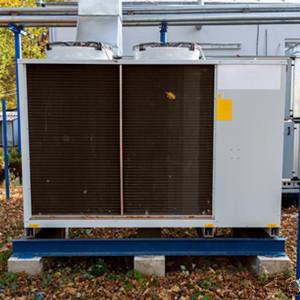
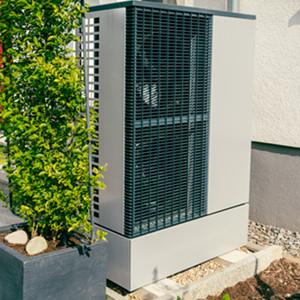
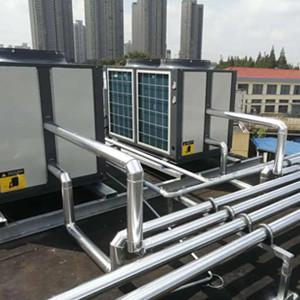
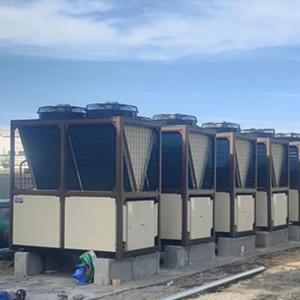
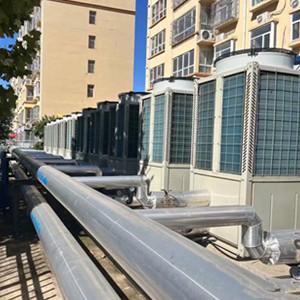
When comparing geothermal (ground-source) heat pumps and air-source heat pumps (ASHP), you are essentially comparing two highly efficient, electrified heating and cooling technologies. They share the same fundamental principle: "transferring" heat rather than "generating" it.The key difference lies in the heat source: air source heat pumps extract heat from the outdoor air, whereas geothermal systems utilize the constant temperature of the earth.
Below is a comprehensive comparison designed to help you determine which solution best suits your specific situation.
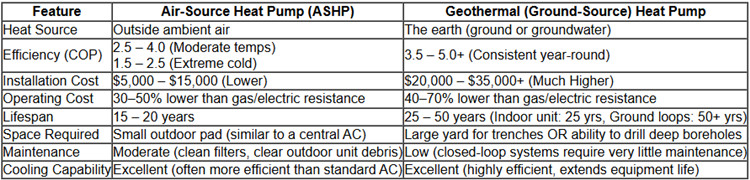
1. Direct Comparison
2. In-depth Analysis of Key Differences
1) Energy Efficiency and Cold-Weather Performance
* Air Source Heat Pumps: In mild to moderate climates, air source heat pumps are highly efficient (with a COP of 3.0 to 4.0). However, when outdoor temperatures drop below freezing, the available heat energy in the air decreases. Although modern "cold-climate air source heat pumps" (ccASHP) can operate efficiently at 5°F (approx. -15°C) or even 0°F (approx. -18°C), their efficiency (COP) drops to around 1.5 to 2.5; in extremely cold weather, auxiliary electric heating may be required.
* Geothermal Heat Pumps: Soil temperatures just a few feet below the surface remain relatively constant year-round (typically between 45°F and 75°F, depending on latitude). Thanks to this stable heat source, geothermal systems maintain high efficiency (COP of 3.5 to over 5.0) even on the coldest winter days, without the need for less efficient auxiliary electric heating.
2) Installation Complexity and Cost
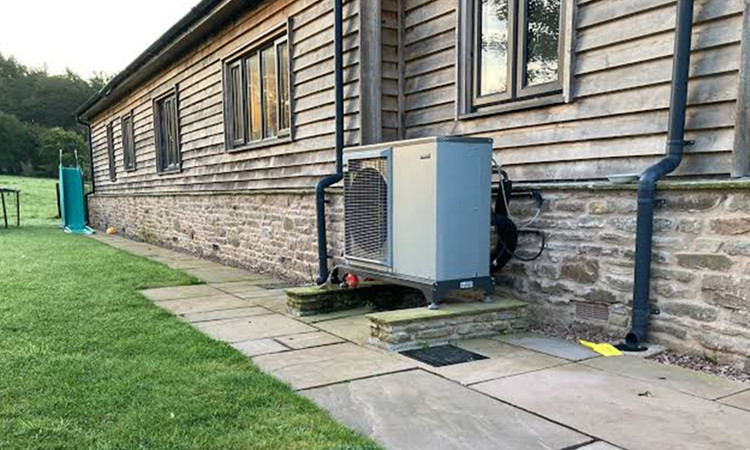
* Air Source Heat Pumps: The installation process is straightforward, similar to that of a traditional central air conditioning system. It requires an indoor air handling unit (or a ductless wall-mounted unit) and an outdoor condensing unit. If your home already has a ductwork system, the cost of retrofitting is relatively low.
* Ground source heat pumps: The indoor units are similar to those of air source heat pumps, but the outdoor component requires the installation of a "ground loop." This entails either excavating trenches across a large area of the yard (horizontal loop) or drilling deep boreholes—ranging from 100 to 400 feet or more—into the ground (vertical loop). It is precisely this extensive excavation or drilling work that drives the initial installation cost of a ground source heat pump system to three to five times that of an air source heat pump (ASHP).
3) Lifespan and Durability
* Air source heat pumps: The outdoor unit is exposed to elements such as rain, snow, hail, UV radiation, and extreme temperatures; its typical lifespan is 15 to 20 years.
* Ground source heat pumps: Indoor components have a lifespan of approximately 25 years. Even more impressive is that the underground polyethylene piping typically comes with a 50-year warranty; because it is protected from weather and physical damage, its actual service life is often even longer.
4) Environmental Impact
Both systems represent a significant upgrade over fossil-fuel heating systems. However, ground source heat pumps hold a slight advantage:
* Lower overall electricity consumption, thanks to higher and more consistent operating efficiency.
* Quieter operation (no noisy outdoor fans).
* No outdoor unit is required, preserving the aesthetics of the yard and avoiding the "heat island effect" caused by hot air blowing into the yard during the summer.
3. Financial Incentives (US Market)
Both systems qualify for substantial financial incentives that help offset a portion of the installation costs:1) Federal Tax Credits: The Inflation Reduction Act (IRA) offers a 30% tax credit for air-source and ground source heat pumps; there is no cap on the credit amount for ground source heat pumps, whereas air source heat pumps are capped at $2,000 per year.
2) State/Utility Rebates: Many local utilities and state programs offer additional rebates (sometimes ranging from $1,000 to over $5,000) for installing high-efficiency heat pumps; ground source heat pumps often qualify for the highest tier of rebates due to their grid-friendly nature and stable energy demand.
4. How to Choose?
Choose an Air Source Heat Pump (ASHP) if:
1) You have a limited budget: You want to electrify your home and lower energy bills without making a massive upfront investment.
2) You have limited yard space: Your lot is small, the ground is rocky, or you live in a densely populated urban or suburban area where drilling or trenching is impractical or prohibited.
3) You live in a mild climate: If local winter temperatures rarely drop below 15°F (approx. -9.4°C), modern air source heat pumps can easily and efficiently meet your heating needs.
4) You are replacing an existing central air conditioner: The replacement process is highly cost-effective since some infrastructure is already in place.
Choose a Ground Source Heat Pump (GSHP) if:
1. You plan to stay in your home long-term: Although upfront costs are higher, the investment usually pays for itself through energy savings within 7 to 15 years. If you live there for more than 20 years, the lifetime savings will be substantial.
2. You live in an area with extreme weather: If you reside in a region with bitterly cold winters (or scorching summers), the stable efficiency of a ground source heat pump will result in greater monthly energy savings compared to an air source heat pump.
3. New construction: Excavating or drilling before landscaping, driveway paving, and foundation work are completed results in lower costs and easier installation.
4. Desire to completely eliminate reliance on fossil fuels: Ground source heat pumps provide comfortable heating even in sub-zero temperatures, eliminating the need for gas or electric backup heating systems.5. Sufficient land or suitable geological conditions: Having a large yard for horizontal loop installation, or soil and rock conditions that allow for vertical drilling.
Summary
For the vast majority of homeowners, air source heat pumps are the "smart and accessible" choice, offering a combination of excellent energy efficiency, easy installation, and a quick return on investment.
Ground source heat pumps represent the "ultimate long-term investment." They are the most energy-efficient, durable, and quietest HVAC technology on the market; however, due to high upfront costs and specific site requirements, they are best suited for new builds, large properties, or homeowners planning to stay in their homes for the long term (over 20 years).