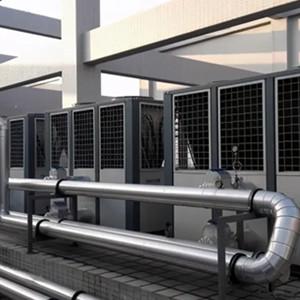
Air Source Heat Pump Lifespan
The UK government has set a target to achieve net-zero greenhouse gas emissions by 2050. Part of the strategy to achieve this goal is to change home heating methods, shifting from fossil fuels such as natural gas to renewable energy sources such as ground-source and air-source heat pumps. However, installing these heat pumps is expensive, so people want to ensure their investment lasts. This article will discuss the expected lifespan of heat pumps and how to extend their lifespan.
1. What is a Heat Pump?
A heat pump is a highly efficient home heating solution that can replace traditional heating methods such as gas boilers. Heat pumps are generally divided into two types: air-source heat pumps and ground-source heat pumps. Ground-source heat pumps consist of a series of pipes buried underground, which are connected to the heat pump inside the house. The pipes are filled with a mixture of water and antifreeze, which absorbs heat naturally stored in the soil. The liquid is compressed and passed through a heat exchanger, and the generated heat is then distributed throughout the house to heat radiators, underfloor heating, and supply tap water.
Air source heat pumps work on a similar principle, but they absorb heat from the air rather than the soil. Air source heat pumps can operate in winter, but their efficiency decreases due to the smaller amount of heat they can absorb. Air source heat pumps require electricity to operate, but the energy consumed is far less than the heat generated, making them an energy-efficient home heating method.
2. How long does a heat pump last?
Because heat pumps require a significant initial investment, most people considering installing one want to ensure its longevity. The lifespan of a heat pump directly impacts how much money can be saved on this type of heating system. The good news is that heat pumps have a relatively long expected lifespan, generally 20-25 years. However, like most goods we buy, higher-priced heat pumps are generally of better quality and have a longer lifespan. Some higher-priced heat pumps can even last 25 years or longer.
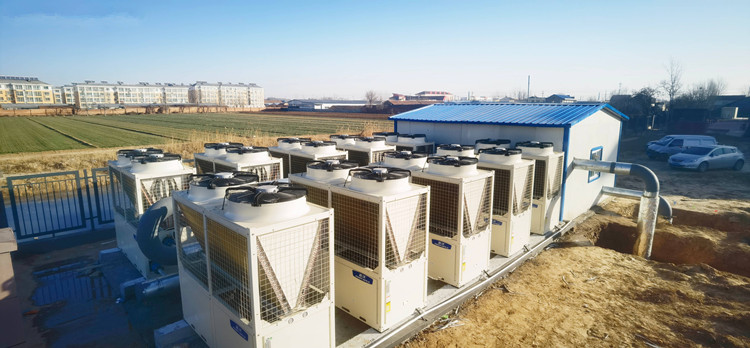
3. Why do heat pumps have such a long lifespan?
The impressive lifespan of heat pumps is due to their design. Compared to traditional heating methods such as gas, oil, or electric boilers, heat pumps have a relatively simple structure and are less prone to failure. In contrast, components of traditional boilers typically require replacement after only 12 to 15 years, and repairs can be very expensive and troublesome if the manufacturer has discontinued production of these components.
The first component to fail in a heat pump is the compressor, the part responsible for raising the temperature of the heat-absorbing liquid in the system. Because the compressor runs almost continuously, it is prone to burnout and will inevitably fail eventually. Once it fails, you will need to decide whether to replace the entire heat pump or just the compressor. If the heat pump is close to or over 20 years old, replacing the entire system at once may be more economical. Furthermore, heat pump efficiency is likely to improve further over the next twenty years, meaning a new system can recoup its costs more quickly.
When choosing a new heat pump, be sure to ask about its warranty terms. Warranty terms vary by manufacturer but typically include around five years of warranty for replacement of faulty components and one year of warranty for replacement of labor.
4. How to Extend the Lifespan of a Heat Pump
One of the best ways to ensure a long lifespan for your heat pump is proper maintenance. A professional heat pump installer should inspect the heat pump every three years, but most maintenance can be done by yourself. Some measures you can take include:
1) Check the air filter monthly. 1) If your heat pump system uses an air filter, be sure to check it regularly. A clogged filter will reduce system efficiency. Clean or replace the filter as needed.
2) Inspect the outdoor unit. Ensure the outdoor unit is free of snow, ice, leaves, dust, and other debris. This includes the area around the top, sides, and bottom of the heat pump.
3) Keep the outdoor condenser coils clean. The coils may become dirty during use, so clean them with a strong degreaser, then rinse thoroughly with clean water. Always turn off the power before cleaning.
4) Regularly trim bushes and plants around the unit. Clear at least 18 inches (approximately 45 cm) of vegetation around the unit to ensure airflow and allow for maintenance.
5) Inspect the fan blades. Turn off the unit and inspect the fan blades for dust and debris. Clean them if necessary.
6) Check the refrigerant level and pressure. Refrigerant plays a crucial role in the proper functioning of a heat pump and needs to be checked regularly, just like checking engine oil in a car. Checking the level will help you identify any leaks or other problems in the system.
Both ground source and air source heat pumps have long lifespans, making them ideal for home heating. As long as you purchase products from reliable manufacturers and perform regular maintenance checks, your system can have an impressive lifespan and keep your home warm and comfortable for many years to come.