Is Air Source Heat Pump the Trend of Future Heating?
With the increasing global climate change and environmental awareness, the heating industry is ushering in a revolutionary change. As a green, efficient and intelligent way of heating, air source heat pumps are rapidly emerging and occupying an important position in the future heating market.
Working principle of air source heat pump
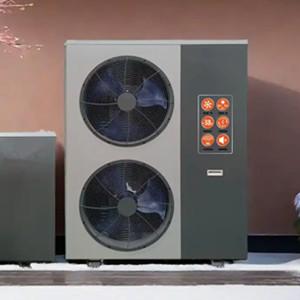
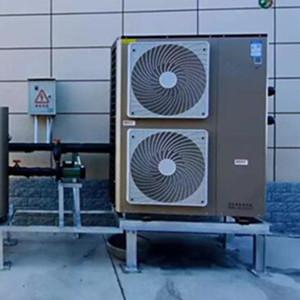
Air source heat pump uses the heat energy in the air to convert low-temperature heat energy into high-temperature heat energy through heat pump technology for heating. Its working principle is similar to that of air source heat pump, but it is specifically used for heating. It can absorb heat energy from the outdoor air in the cold winter and transfer the heat energy to the room through the circulation system to provide warm air.
Advantages of air source heat pump
1. Environmental performance
Air source heat pump does not need to burn fossil fuels, so it produces almost no greenhouse gas emissions. This makes it an ideal choice for responding to climate change and reducing carbon footprint.
2. High efficiency and energy saving
Air source heat pumps perform well in energy utilization efficiency. According to research, air source heat pump systems can save about 30% to 75% of electricity consumption. It can operate at relatively low temperatures and can provide efficient heating even in extremely cold climates. This will help users reduce energy bills.
3. Versatility
Air source heat pumps can not only provide heating, but can also be used for cooling, providing a comfortable indoor environment all year round. In addition, some models can also provide hot water, providing a full range of HVAC services for homes and businesses.
Future trends in heating
1. The rise of green heating
With the increasing attention to environmental issues, green heating will become a major trend in the future. Air source heat pumps emit almost no greenhouse gases, so they will become the first choice for reducing carbon footprint.
2. Intelligent control and automation
Future heating systems will be more intelligent and automated. By using advanced intelligent control systems, users can monitor and adjust the heating system in real time to maximize energy efficiency and reduce energy waste.
3. New materials and technological innovations
With the continuous advancement of science and technology, new materials and technological innovations will drive the performance of air source heat pump systems. More efficient compressors, heat exchangers and refrigerants will become the future development direction.
4. Support of energy policies
Governments of various countries have realized the importance of heating on energy consumption and environmental impact, and will take measures to support the development of green heating technology. Government subsidies and incentives will promote the widespread application of air source heat pumps.
5. Market competition and price reduction
As market competition intensifies, the price of air source heat pump systems will gradually decline, making this advanced heating technology affordable for more families and businesses.
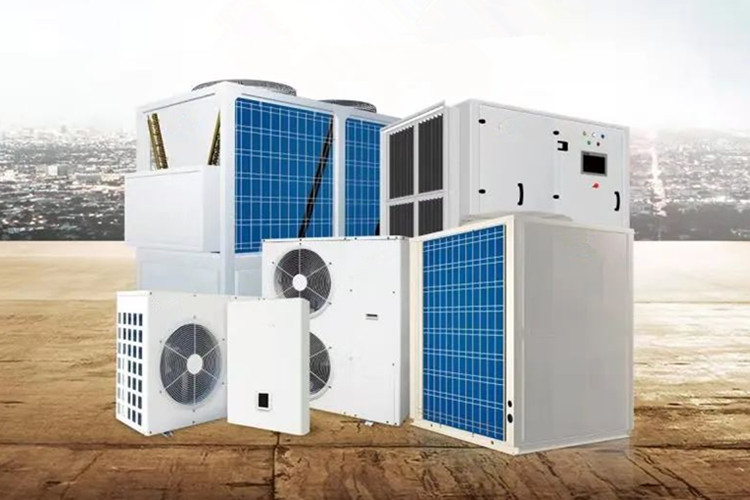
Air source heat pumps are not only widely used in home heating, but also play an important role in multiple fields, such as residential, commercial buildings and industry. As the main trend of future heating, air source heat pumps will play a key role in green, efficient and intelligent heating. Its environmental performance, energy efficiency and versatility make it the first choice for homes, commercial buildings and industrial fields. Future development will be driven by government support, technological innovation and market competition, and is expected to provide us with more environmentally friendly, economical and comfortable heating solutions. In the future, let us look forward to more benefits that air source heat pumps will bring to our lives and the earth's environment.