Is an Air Source Heat Pump Worth it for my Business?
An air source heat pump (ASHP) can be a good business investment, but its returns depend on your building structure, energy prices, operating hours, available incentives, and local climate.1. Key Business Advantages
1) Reduced Ongoing Energy Costs
ASHPs provide heating (and often cooling as well), with a typical Coefficient of Performance (COP) of 2.5-4.5, meaning that for every unit of electricity consumed, multiple units of heat are generated. Well-configured commercial systems can typically save 30-50% on operating costs compared to oil, LPG, or electric boilers. The savings are greatest if you currently use expensive fossil fuels.
2) Integrated Heating and Cooling
Many commercial ASHP units provide both winter heating and summer cooling simultaneously, simplifying HVAC systems for offices, hotels, retail, and leisure venues.
3) Sustainability and Compliance
Significantly reduces site carbon emissions. It can enhance your Energy Performance Certificate (EPC) rating, support ESG reporting, and help meet increasingly stringent local government low-carbon building regulations. Green certification also improves brand reputation among customers and investors.
4) Financial Incentives and Tax Relief
Many regions offer grants, tax rebates, or capital tax relief to businesses installing eligible renewable energy heating equipment, directly reducing your upfront investment. In the UK, small businesses can apply for the Boiler Upgrade Scheme grant; eligible equipment can also qualify for the Enhanced Capital Grant (100% tax credit in the first year).
5) Long Service Life and Low Maintenance Costs
A well-installed commercial air source heat pump typically lasts 15-20 years. Compared to gas/oil boilers, routine maintenance is minimal, reducing labor costs and downtime costs.
2. Disadvantages and Risks to Assess
1) High Upfront Capital Costs
The purchase and installation costs are significantly higher than replacing a gas boiler. For optimal performance, you may also need to upgrade radiators, add buffer tanks, or improve building insulation—all of which increase project costs.
2) Performance Degradation in Extreme Cold Weather
In freezing conditions, both output power and efficiency decrease. In cold climates, you may need a cold-climate air source heat pump or auxiliary backup heating equipment to reliably maintain the temperature.
3) Performance Highly Depends on Building Insulation
If your house has poor insulation and high heat loss, the heat pump will need to work harder, consume more electricity, and significantly extend your payback period.
4) Outdoor Unit Requirements
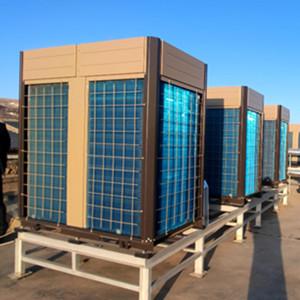
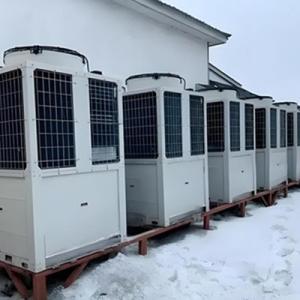
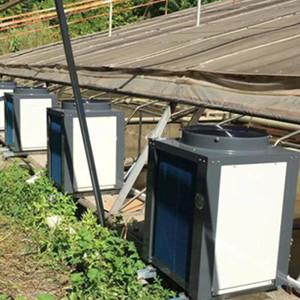
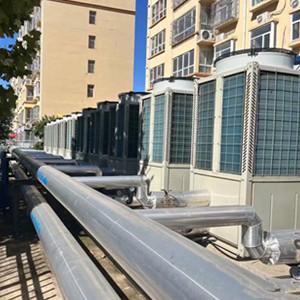
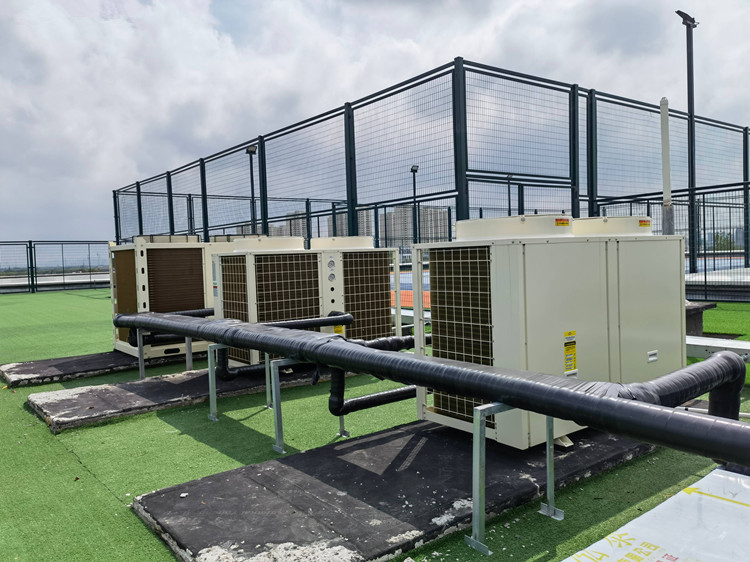
You will need sufficient outdoor space to install a noisy fan-driven outdoor unit; the noise level and footprint must meet your site requirements.
3. Typical Business Investment Recovery Period
1) Ideal Project (Good building insulation, long operating time, high old heating costs, preferential policies): 3-7 years investment recovery period
2) Barely Suitable Project (Poor building insulation, short operating time, low existing gas supply costs): 8-12 years or more, or even not economically viable
4. When is it best suited for your business?
An air source heat pump (ASHP) may be a good option if:
1) You have a long operating time: hotels, leisure centers, offices, schools, manufacturing plants, etc., requiring continuous heating/hot water.
2) You are replacing fuel oil, LPG, or resistance electric heating (expecting significant electricity savings).
3) Your building has good insulation, or you plan to upgrade the insulation in your project.
4) You plan to use the property for 7 years or more.
5) You can apply for grants or tax incentives to reduce capital expenditures.
In short:
Air source heat pumps are generally worthwhile for businesses, provided their size and design match your building and operating model. An unreasonable allocation of resources can negate economic benefits.