
Are Low Pressures Normal in Air Source Heat Pumps?
When discussing "low pressure" in the context of air source heat pumps (ASHPs), it is essential to clarify whether this refers to "system water pressure" or "refrigerant pressure," as these terms carry different meanings and implications.Below is a detailed explanation of what is considered normal versus abnormal:
1. System Water Pressure (Water Circulation Loop)
This refers to the pressure of the water circulating through radiators or underfloor heating pipes. You can typically check this via a physical pressure gauge or a digital display on the indoor unit.
1) Normal Conditions:
* When the system is cold, the operating water pressure is generally between 1.0 and 1.5 bar. As the water heats up and expands, the pressure may rise to approximately 1.8 to 2.0 bar.
* Additionally, a slight, gradual drop in pressure during the first few weeks following the installation of a new system is normal; this occurs as residual air within the system is naturally purged during operation.
2) Abnormal Conditions:
* If the pressure falls below 0.8 bar, it is considered abnormally low. This will typically trigger a "low water pressure" fault or a safety lockout, causing the heat pump to stop operating.
* If you find it necessary to frequently top up the system pressure using the filling loop (water supply mechanism), it indicates an underlying issue—such as a leak in the pipes or radiators, or a faulty expansion vessel (or a loss of internal pressure within it).
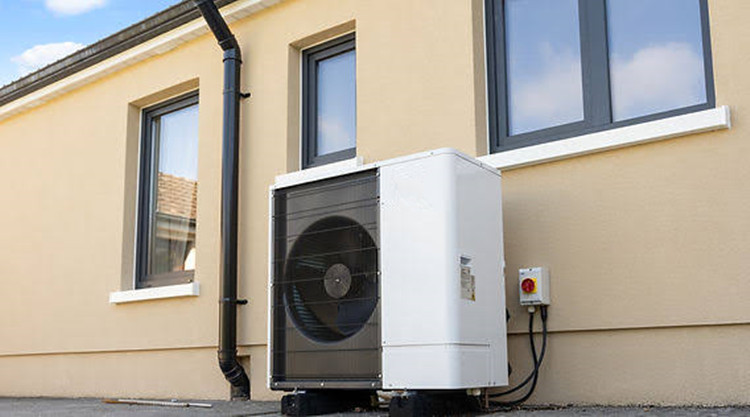
2. Refrigerant Pressure
This refers to the pressure of the refrigerant (e.g., R32 or R410A) within the sealed refrigeration circuit. This pressure can only be measured by a qualified technician using specialized equipment, such as a manifold gauge set.
Normal Conditions:
The "low-pressure side" is a normal and necessary component of the heat pump cycle. In heating mode, the refrigerant within the outdoor evaporator coil is maintained at a low pressure, allowing it to boil and absorb heat from the cold outdoor air. What constitutes an "abnormal" situation:
* Abnormally low refrigerant pressure—falling below the manufacturer’s specified range for the current outdoor temperature—is a clear indicator of a system malfunction.
* The most common cause is a refrigerant leak. Insufficient refrigerant leads to a drop in internal system pressure, which lowers the refrigerant temperature and severely impairs heating performance.
* Other potential causes include internal blockages (such as a clogged filter-drier or a faulty expansion valve) or restricted airflow at the outdoor heat exchanger (outdoor coil) due to the accumulation of dirt and debris, or a fan malfunction.
Recommended actions:
1. First, check the water pressure: Look at the pressure gauge on the indoor unit. If the reading is below 1.0 bar, consult your equipment manual and follow the instructions to safely repressurize the system using the water-filling loop (filling line).
2. Monitor the system: If the water pressure remains stable after repressurization, the system is likely functioning correctly. If the pressure drops again within a few days or weeks, contact a professional technician to locate and repair any leaks.
3. Always seek professional assistance for refrigerant-related issues: If the water pressure is normal but the system is underperforming, making unusual hissing sounds, or displaying error codes related to the refrigerant, do not attempt to inspect or add refrigerant yourself. Determining the correct refrigerant charge in a heat pump requires precise measurements—factoring in ambient temperature, superheat/subcooling levels, and pressure data—with specific standards varying based on the type of refrigerant (e.g., R32 or R410A). Such tasks must be performed by a qualified HVAC technician who holds the appropriate professional certification (such as F-Gas certification or an equivalent local qualification).