Do You Need Planning Permit for an Air Source Heat Pump?
Demand for air source heat pumps is rising in the UK, largely due to increased subsidies under the government-supported boiler upgrade scheme. In fact, new installations have increased by approximately 10% month-on-month since the scheme's inception. This data comes from the Energy and Climate Intelligence Agency.
If you are one of many homeowners considering replacing your boiler with a heat pump, thorough research is essential. One of the most important aspects is understanding whether your home is suitable for an air source heat pump. This may depend on whether you require planning permission to install a heat pump.
1. Do I need planning permission to install an air source heat pump?
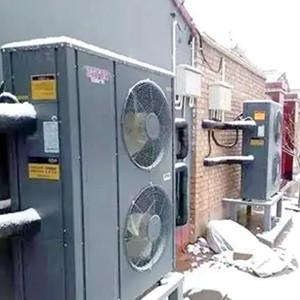
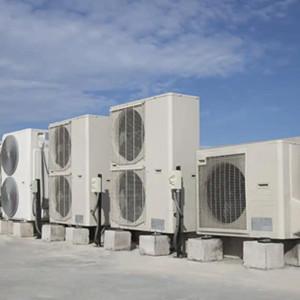
In most cases, no planning permission is required to install an air source heat pump. This system involves installing a heat pump, roughly the size of a washing machine (0.6 cubic meters), on the side or back of the house. It absorbs heat from the air and delivers it to radiators, underfloor heating systems, and hot water tanks for use in sinks, showers, and bathtubs.
Since December 1, 2011, installing an air source heat pump has been considered a permitted development project. However, certain conditions must be met, and there are exceptions.
These conditions include the following:
1) The air source heat pump must comply with the Micro-Power Generation Certification Scheme (MCS) planning standards.
2) The outdoor compressor unit volume of the water pump must not exceed 0.6 cubic meters.
3) It must be located at least one meter from the property boundary.
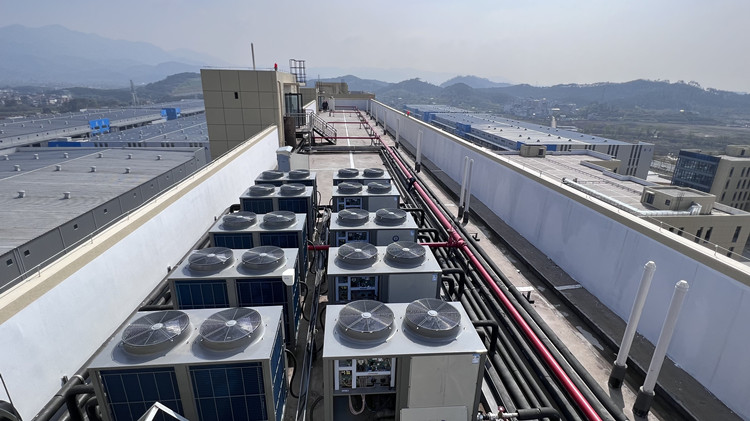
4) It must not be installed on a sloping roof. If installed on a flat roof, it must be at least one meter from the outer edge.
5) Only the first heat pump installation is within the permitted development area—subsequent installations may not be permitted, especially if there are already wind turbines on the property site.
6) If the air source heat pump is installed on property designated as a protected building, it is not a permitted development project.
7) If installed within a protected area or World Heritage site, it must not be installed on a wall or roof too close to a road.
8) If any of the above conditions are not met, a planning permit may be required.
Unsure if a planning permit is required? It is recommended that you consult your local planning authority before proceeding with any actions.
2. Does installing a ground source heat pump require a planning permit?
Ground source heat pumps work differently from air source heat pumps. These systems require a series of underground pipes, so you need a considerable area of land (and the ability to undertake excavation). These pipes absorb natural heat from the ground and deliver it into the building for heating and domestic hot water.
Because the installation of ground source heat pumps is quite different from air source heat pumps, you may wonder if these systems require a planning permit. The good news is that in most cases, ground source heat pumps do not require a planning permit. They can be installed under permitted development rights.
However, if you live in a protected area or within a building listed as protected, you should consult your local council's planning department.
3. Can I install a heat pump on a protected building?
You might be able to install an air source heat pump on a protected building, but you will need to check with your local council to see if a planning permit is required.
It is very likely that you will need to comply with the relevant regulations, as installing a heat pump within the premises of a protected building does not automatically entitle you to existing development rights. You may also need to meet some other requirements. Therefore, communication with local planning authorities is essential.
4. Can a heat pump be installed in an apartment?
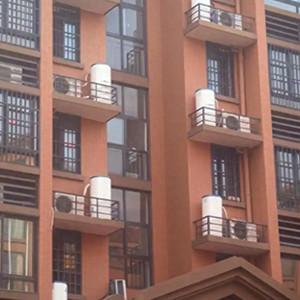
Another common question regarding air source heat pump installation is whether it's suitable for apartments. As with any renovation of a common living area, this requires the cooperation of other residents.
Obviously, there are logistical challenges, such as the location of the water pump and whether there is enough space to accommodate the hot water tank and various electrical and piping components. Furthermore, there's the question of whether a heat pump can actually be installed on any floor other than the ground floor.
Installing a heat pump in an apartment is feasible, but the process can be very complex. Air source heat pumps are only suitable for ground floor apartments or apartments with balconies, and even then, there must be sufficient space to accommodate the equipment and its related components.
Alternatively, an apartment building can be connected to a shared ground source heat pump system, provided the system's power is sufficient to meet the demand.