Can An Air Source Heat Pump be Covered?
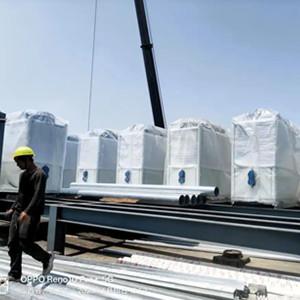
In short, an air source heat pump (ASHP) should not be completely covered, especially while the unit is operating or during winter. However, under specific circumstances and with proper execution, partial covering or a ventilated enclosure may be used.Here is a detailed analysis of the reasons and recommendations for best practices in protecting the equipment:
Why heat pumps should not be completely covered
1. Airflow obstruction: Air source heat pumps extract heat from outdoor air even at temperatures below freezing. This process requires continuous, unobstructed airflow. Completely covering the unit hinders this heat exchange, reducing efficiency and potentially causing the system to overheat or malfunction.
2. Moisture and corrosion: Wrapping the unit in a tarp or sealed cover traps moisture inside. This creates a humid environment that accelerates rust, corrosion, and mold growth on critical components.
3. Interference with the defrost cycle: Modern heat pumps feature a built-in defrost cycle that briefly reverses operation to melt frost buildup. Complete coverage can trap melted water, causing it to refreeze into solid ice at the base of the unit.
4. Pest infestation: A completely covered heat pump that retains some residual warmth can become an ideal shelter for rodents and small animals, which may chew through wiring or damage components.
5. Warranty invalidation: Many manufacturers explicitly state in their manuals that completely covering the outdoor unit can result in damage caused by improper use, thereby voiding the warranty.
When and how to use partial coverage
If you live in an area with heavy snowfall or a risk of falling ice, or simply wish to improve the unit's appearance, you can use the following safe solutions:
1. Cover only the top: You can use a sturdy, elevated canopy or a dedicated "heat pump snow cover" to protect the top of the unit from damage caused by heavy snow or falling debris, provided the sides remain completely open to ensure proper airflow.
2. Ventilated Enclosures: If you wish to conceal the unit's appearance, consider open-style options such as slatted wood or composite screens, perforated decorative panels, or ventilated enclosures. You must maintain the clearances recommended by the manufacturer (typically at least 18 inches / 45–50 cm of space around the unit and in front of the air discharge).
Best Practices for Winter Protection (Alternatives to Covers)
1. Keep Clear of Snow: After heavy snowfall, gently sweep snow off the top and sides of the unit using a soft broom or brush. Never use sharp tools, hot water, or excessive force, as these can damage the delicate aluminum cooling fins.
2. Maintain Clearance: Ensure the area around the unit is free of fallen leaves, branches, overhanging limbs, or stacked items (such as firewood or patio furniture) to allow for unobstructed airflow.
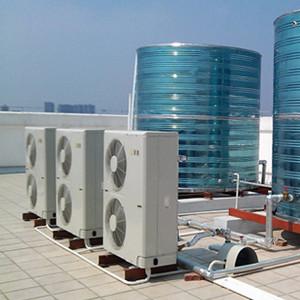
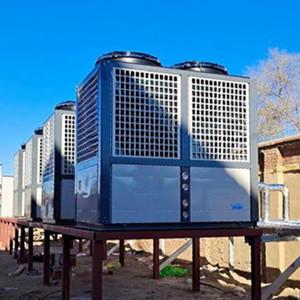
3. Elevate the Unit: If you live in an area with heavy snowfall, consider mounting the air source heat pump (ASHP) on a raised platform, concrete base, or wall bracket to keep it above the typical snow line.
4. Ensure Proper Drainage: Make sure defrost water can drain freely. Poor drainage can lead to ice buildup, which may obstruct the unit.
Final Recommendation
Always consult the heat pump manufacturer's installation manual before installing any type of cover, protective screen, or canopy. If you are unsure, have a certified HVAC technician inspect the setup to ensure your protective measures safeguard the unit without compromising its performance or warranty coverage.