How Long does An Air Source Heat Pump Last?
The typical lifespan of an air source heat pump is 10-15 years. With proper installation and regular maintenance, a high-quality system can often last 20 years.
Lifespan depends heavily on climate, usage, and how well you maintain the equipment. While warranties typically cover critical components for 5-10 years, proactive measures such as annual maintenance can significantly extend the system's lifespan.
1. What is the average lifespan of a heat pump?
Most homeowners can expect their air source heat pump to provide reliable comfort for 10 to 15 years.
However, "average" doesn't reflect the whole picture. High-end models, especially geothermal units, are generally more durable than standard air source heat pumps due to fewer exposed parts. Conversely, units in harsh coastal climates or those with insufficient capacity for the home's needs may show signs of wear and tear as early as 10 years.
After ten years of use, the frequency of major overhauls typically increases. At this point, weighing maintenance costs against the efficiency gains offered by modern systems becomes crucial.
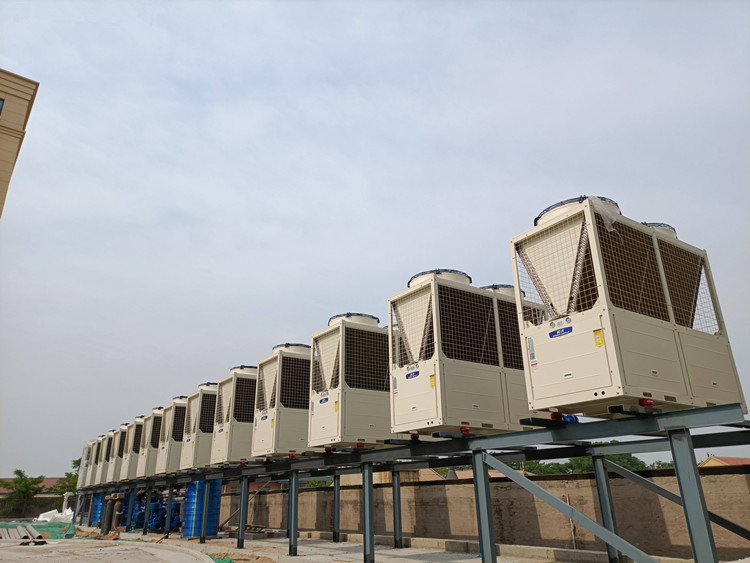
2. Factors Affecting the Lifespan of Heat Pumps
Why do some systems last 20 years while others fail after only 10? Many factors influence the lifespan of an HVAC system.
1) System Quality: Not all equipment is of the same quality. High-end models prioritize durability and typically last 15-20 years, while low-end, economical models generally only last 8-12 years. Investing in high-quality products upfront often results in a longer lifespan.
2) Installation and Selection: Precision is crucial. Air source heat pumps must be correctly selected based on the house size and insulation level. Oversized units will frequently start and stop (short-cycle operation), while undersized units will run continuously. Both situations accelerate wear and tear, shortening the lifespan to 8-10 years.
3) Heat Pump Type: Air source heat pumps generally have a lifespan of 10-15 years. Geothermal systems, protected underground, can have a lifespan exceeding 20 years.
4) Climate: Geographical location has an impact. In extremely cold climates, heat pumps need to work harder to extract heat, increasing their losses. Similarly, hot climates requiring year-round cooling also accelerate wear and tear on air source heat pumps compared to temperate climates.
5) Maintenance: This is the most important factor you can control. Neglected systems are more prone to failure. Regular maintenance keeps internal components clean and lubricated, reducing long-term stress.
3. 5 Ways to Extend Your Heat Pump's Lifespan
You can proactively protect your investment and ensure your home remains comfortable for years to come. Carrier recommends the following five strategies to maximize reliability.
1) Schedule Annual Maintenance
Don't wait until a breakdown occurs to take action. Professional maintenance includes coil cleaning, refrigerant checks, and electrical system inspections. These annual maintenance checks can identify and address small problems early, preventing them from escalating into costly failures.
Ashley Davis, owner of Lawson Air Conditioning and Ducting in Gainesville, Georgia, explains that preventative maintenance is one of the most important factors in extending the lifespan of an air source heat pump and ensuring its long-term reliable operation.
Davis says, “Preventative maintenance is the best way to maintain your system. Regularly changing the air filter and keeping the outdoor unit clean and free of debris—these simple steps have a significant impact on overall performance.”
She adds that professional service is also crucial for long-term reliability.
She states, “Having your system maintained by a professional at least twice a year is one of the best ways to ensure it runs smoothly and efficiently. Regular maintenance allows technicians to identify and address small problems before they escalate into major failures.”
Davis points out that this proactive approach not only helps prevent unexpected breakdowns but also extends the lifespan of the equipment.
“Preventative maintenance helps extend the lifespan of your equipment and ensures homeowners enjoy continuous comfort year-round,” she says.
2) Keep the room clean
Good air circulation is essential. Ensure the power is off, then remove leaves, dust, and debris around the outdoor unit (keeping a 2-3 foot distance). Gently clean the radiator fins; never use a high-pressure water gun. This simple step reduces the load on the compressor.
3) Change the filter regularly
A clogged filter can hinder system operation. Replacing the air filter every 1-3 months prevents dust from building up on internal components.
4) Quick Problem Solving
Listen carefully to your air conditioning system. If you hear a screeching sound, notice frequent starts and stops, or see ice buildup, take immediate action. Ignoring these early warning signs can lead to minor repairs escalating into a complete system replacement.
5) Protect Your Equipment
While outdoor units are designed to handle various weather conditions, providing them with shelter from extreme conditions such as heavy snow or intense sunlight can prevent corrosion and reduce thermal stress on the air conditioner or air source heat pump casing.
4. Signs When to Replace Your Heat Pump
Is your system nearing the end of its life? Watch out for these key indicators that may suggest replacing the system is the more financially sensible choice:
1) Age: If your home is over 15 years old, it's nearing the end of its life.
2) Rising Energy Bills: Wear and tear on internal components leads to decreased efficiency. If your electricity consumption hasn't changed, but your bills are soaring, the system is struggling. 3) Frequent maintenance: Apply the "50% rule"—if maintenance costs are 50% of the price of a new system, then invest in a new system.
4) Inconsistent comfort: If some rooms are cold while others are hot, the system may have lost its ability to effectively circulate air.
5) Noise: A persistent rattling or grinding sound indicates an internal mechanical malfunction.