How to Make the Most of Your Air Source Heat Pump?
To get the most out of your air source heat pump (ASHP), it's crucial to understand how it operates differently from a traditional furnace or boiler. Heat pumps are designed to provide stable, low-temperature heating over extended periods. By adjusting your control settings, maintenance habits, and home environment, you can maximize efficiency, comfort, and cost savings.Here's a comprehensive guide to getting the most out of your system:
1. Optimize Thermostat and Control Settings
1) Get into the habit of "set it and don't intervene": Heat pumps are designed for stable operation over long periods. When you leave, don't shut the system off completely; instead, lower the temperature by no more than 2°C (3–5°F). Lowering the temperature too much forces the heat pump to work harder to restore the temperature, which often triggers inefficient electric auxiliary heating.
2) Lower the heating profile (supply water temperature): If your system has weather compensation, adjust the heating profile to keep the water temperature as low as possible while still maintaining indoor comfort. Try gradually lowering the water temperature in 1°C increments throughout the winter, as lower supply water temperatures can significantly reduce operating costs. 3) Manage Auxiliary Heating: If your system has electric auxiliary heating devices (such as resistance strips or baseboards), set their thermostats 2°C to 3°C lower than the heat pump's main set temperature. This ensures the efficient heat pump completes most of the heating work before the expensive auxiliary heating devices start.
2. Emphasize Regular Maintenance
1) Replace Filters Regularly: Clean or replace the air filter every 3 months, as a clogged filter restricts airflow and significantly reduces system efficiency.
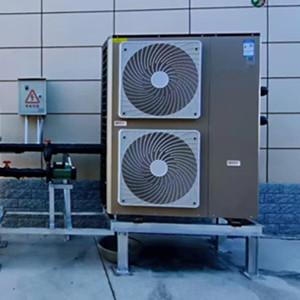
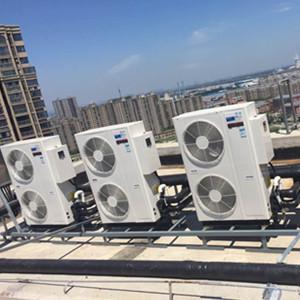
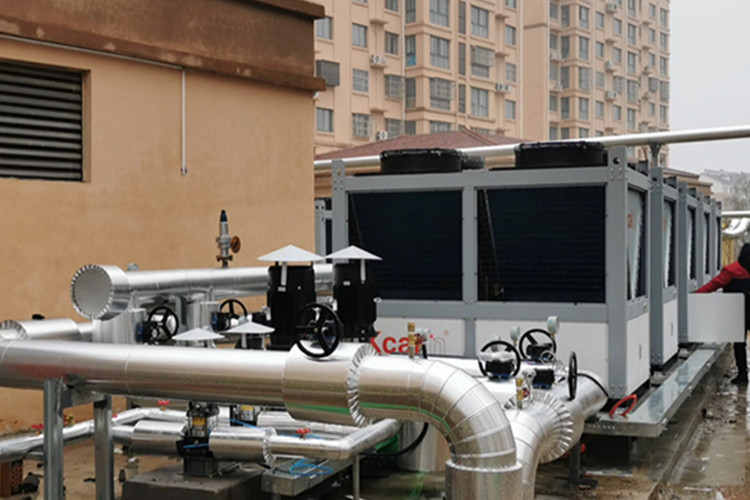
2) Keep Outdoor Unit Unobstructed: Ensure there is at least 2 to 3 feet (approximately 60 to 90 centimeters) of clearance around the outdoor condenser, avoiding snow, fallen leaves, bushes, or other debris to maintain good airflow year-round.
3) Schedule Annual Professional Maintenance: Have a qualified HVAC contractor inspect and maintain the system annually to check refrigerant levels, electrical components, and overall performance.
3. Improve Your Home Environment
1) Improve Insulation and Airtightness: Heat pumps work best in well-airtight homes. Minimizing heat loss through vents, poorly insulated walls, and single-pane windows improves the efficiency of your heat pump and may even allow you to use a smaller, more economical system.
2) Upgrade Your Radiators: Heat pumps heat more efficiently at lower water temperatures (around 45°C or 113°F) compared to traditional boilers (75°C or 167°F). If your existing radiators are too small to dissipate enough heat at lower temperatures, consider upgrading to larger or double/triple radiators to maximize surface area.
4. Utilize Smart Technology and Cost-Saving Strategies
1) Use Time-of-Use Pricing: If your power company offers time-of-use pricing, use your heat pump with a smart thermostat to preheat or pre-cool your home when electricity rates are lowest.
2) Optimize Hot Water Settings: To prevent Legionella growth, the heat pump water tank must periodically reach 60°C (140°F). However, running this sterilization cycle daily can cause energy bills to skyrocket; for most households, running it once a week is sufficient and more economical.
3) Optimize Defrost Cycle: In cold weather, the outdoor unit will periodically enter a defrost cycle to melt frost. Have your installer configure the system to shut off the indoor fan during this cycle to prevent cold air from blowing into the room, thus improving comfort and perceived efficiency.
5. Adjust Comfort According to the Season
1) Properly Guide Airflow: If you are using a ductless mini-split air conditioning system, adjust the louvers during heating to allow airflow downwards (because hot air rises) and horizontally into the room during cooling.
2) Set Fan Speed Appropriately: For optimal heating, set the fan speed to "High" or "Auto." In cooling mode, a "Low" fan speed is recommended to improve dehumidification.
Summary
The key to fully utilizing an air source heat pump is to follow its design, not fight it. By maintaining a stable temperature, keeping the system clean, and ensuring your home is well-insulated, you can enjoy maximum comfort and minimal energy costs. Always consult your system's user manual or a certified installer for advice and setup specific to your model.