Why is my Air Source Heat Pump So Noisy?
It is normal for an air source heat pump to generate some noise during operation—primarily from the fan airflow and the compressor running (a continuous humming sound). However, if the unit is excessively noisy or accompanied by rattling, sharp friction sounds, or violent vibrations, it usually indicates a specific fault.
The following guide will help you diagnose the issue based on the type of noise and provide suggestions for resolving it.
1. Rattling, buzzing, or sheet-metal vibration sounds
* Cause: This is the most common issue, usually caused by loose components. Over time, screws securing the casing can loosen due to vibration. Additionally, leaves, twigs, or other debris falling inside the unit and getting caught in the fan can trigger this type of noise.
* Solution: Disconnect the power supply. Visually inspect the interior for debris and remove it. Check the external casing and tighten any loose screws. If the panel continues to rattle, you may need to install sealing strips or rubber pads between the panel and the frame.
2. Loud humming or noise causing the wall to vibrate
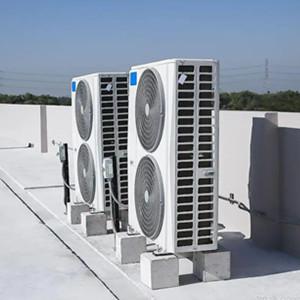
* Cause: If the noise is accompanied by vibrations felt in the house, the problem likely lies with the installation or mounting method. Heat pumps generate significant vibration during operation. If the unit is bolted directly to the wall without proper vibration damping, or if the wall bracket is not secure, vibrations transfer to the building structure, amplifying the noise.
* Solution: You (or the installer) need to install vibration-damping mounts (rubber or spring isolators) under the unit's base or use wall brackets equipped with rubber washers.
3. Sharp friction, screeching, or grinding sounds
* Cause: These high-pitched metal-on-metal sounds usually indicate severe wear on the fan motor bearings. As bearing performance degrades, the motor shaft loses balance and rubs against the housing.
* Solution: This requires attention from a professional HVAC technician. They will typically need to lubricate the bearings (if feasible) or replace the fan motor entirely. Continued operation while the unit is malfunctioning could eventually lead to motor burnout.
4. Clicking, metallic clanking, or flapping sounds
* Cause: This usually indicates a physical obstruction. Bent fan blades might strike the protective grille or the side of the casing with every rotation. Broken internal fan components can also cause this issue.
* Solution: Turn off the unit immediately. Continued operation with bent fan blades can damage the motor. A technician needs to open the unit to straighten or replace the fan blades.
5. Loud, low-pitched humming or metallic clanking from the compressor
* Cause: The compressor is the "heart" of the air source heat pump (usually located at the bottom). An unusually loud, low-pitched hum or internal metallic clanking suggests a malfunction of internal compressor components or a "hard start" issue (an electrical fault).
* Solution: Contact a professional immediately. Compressor repairs are costly, but early detection might prevent the need to replace the entire unit.
6. Hissing, gurgling, or whistling sounds
* Cause: These sounds are usually related to the refrigerant. Hissing often indicates a refrigerant leak. Gurgling can occur during the defrost cycle's drainage process—which is normal—but if the sound persists, it may indicate low refrigerant levels or a faulty expansion valve. Whistling usually indicates air being forced through a narrow passage or an obstructed area.
* Solution: A licensed technician needs to check refrigerant levels and system pressure. Operating a heat pump with low refrigerant can severely damage the compressor.
7. Whooshing sounds or a loud roar of airflow
* Cause: This indicates an airflow issue. The fan is under excessive load while drawing in or expelling air. Causes may include a dirty air filter (for ducted systems), a blocked return air vent, or outdoor coils clogged with dust or pollen. Additionally, fences or shrubs built too close to the unit—causing exhaust air to recirculate—can create this noise.
* Solution: Clean or replace the air filter. Ensure there is at least 2–3 feet (approx. 0.6–0.9 meters) of clearance around the outdoor unit and 5 feet (approx. 1.5 meters) of clearance above it to allow for unobstructed airflow. Gently rinse the outdoor coils with a hose (be sure to disconnect the power supply first).
What should you do now?
1. Check for debris: Look through the grille. If you spot leaves or twigs, turn off the power at the circuit breaker before carefully removing them.
2. Check clearance: Ensure there is good airflow around the unit and no obstructions blocking it.
3. Secure the casing: Gently push on the exterior panels. If a panel is loose or rattling, tighten the screws.
4. Seek professional help: If you hear metal-on-metal grinding or banging, a loud, low-pitched noise (usually from the compressor), or a hissing sound, turn off the unit immediately to prevent further damage and contact an HVAC technician.
Note: If you want to reduce noise during normal operation, never wrap the unit in a blanket or build a fully enclosed cover for it. Air source heat pumps need to "breathe"; blocking airflow can cause the unit to overheat, freeze up, or malfunction.