Air Source Heat Pump Maintenance Cost
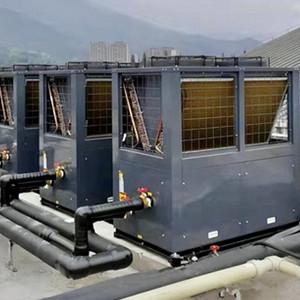
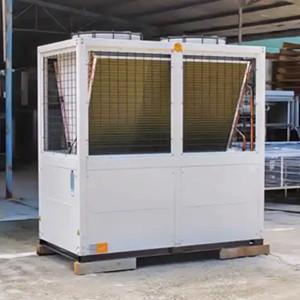
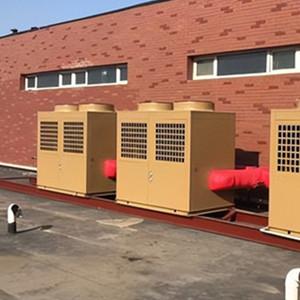
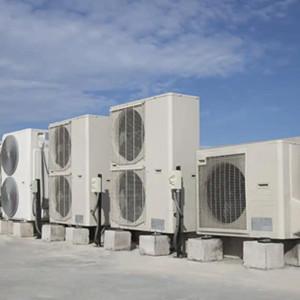
Air source heat pumps use refrigerant to transfer heat from the surrounding air into a room. They work similarly to a refrigerator operating in reverse. This heat transfer process requires only enough electricity to drive the compressor and fan.
With gas boilers soon to be phased out, it's worth considering the best alternatives on the market, especially if the government allows discounted purchases.
Average Air Source Heat Pump Maintenance Costs
In the UK, the average cost of maintaining a heat pump is around £150 (plus VAT). However, many people may not need to pay this amount if the air source heat pump appears to be working well. However, depending on where you get the funds for your installation, you may still need to pay this cost.
Using the £5,000 grant from the UK government's Boiler Upgrade Scheme (BUS), launched in April 2022 (managed by the UK Gas and Electricity Markets Authority, Ofgem), means you agree to regular maintenance of the heat pump by a Micro-Generation Certification Scheme (MCS) engineer. BUS aims to encourage the installation of low-carbon heating systems, contributing to the UK's goal of achieving net-zero carbon emissions by 2050.
How much does it cost to maintain an air source heat pump?
New air source heat pumps (ASHPs) require regular maintenance to ensure efficient heat delivery to your home. While the £5,000 installation grant offered by the Boiler Upgrade Scheme is not an incentive, it is contingent on maintenance being performed according to the manufacturer's recommendations.
Generally, replacing a standard household appliance with an air source heat pump costs around £150, plus VAT.
In addition, you will need to pay for any replacement parts discovered during the inspection. Furthermore, labor costs vary across the country. In areas like London and the Southeast of England, labor costs can be 10% to 15% higher than in other areas.
Although the average installation cost ranges from £3,000 to £18,000 (averaging £13,000), air source heat pumps are far superior to traditional boilers, and maintenance costs are significantly lower. Moreover, maintenance engineers do not require expensive qualifications to handle fossil fuels with potentially explosive properties.