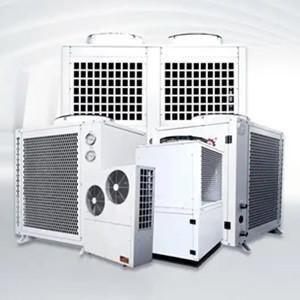
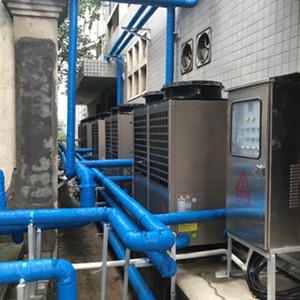
Air Source Heat Pump Wattage
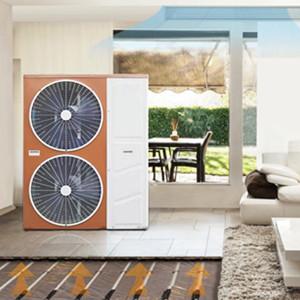
Upgrading to an air source heat pump is an excellent option for achieving energy-efficient and environmentally friendly home heating, but you might wonder about their actual power consumption. In this article, we'll take you through the power consumption of air source heat pumps and why they are ideal even in the coldest months of the year.
1. How Much Power Does a Heat Pump Consume?
On average, an 8 kWh air source heat pump consumes about 6-10 kWh per day, and under typical conditions, about 180-300 kWh per month. Power consumption will vary depending on the size of the house, outdoor temperature, and the insulation of the house. In colder months, power consumption may increase as the heat pump needs to work harder to extract heat from the cold air, but even in these cases, their energy efficiency is at least twice that of a gas boiler.
Under normal climatic conditions, air source heat pumps are even more efficient than traditional heating systems, typically providing 3-4 times more heat energy than they consume in electricity. While heat pumps require more electricity in winter, their total annual energy consumption is lower than traditional heating systems such as gas or oil boilers, allowing you to save up to 25% on your energy bills.
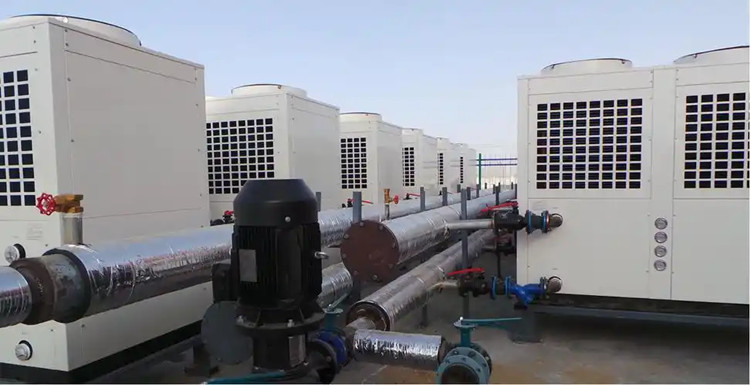
2. Seasonal Energy Consumption and Operating Costs
Heat pumps consume more energy during the colder months, with almost the majority of the year's energy consumption concentrated in winter. This surge in energy consumption is because air-source heat pumps need to work harder to extract heat from the cold air, but this increase is offset by lower energy consumption during the warmer seasons and higher efficiency even in cold weather.
Overall, heat pumps in the UK operate at approximately 25% lower costs than traditional systems, resulting in savings of up to £560 per year.
3. Optimizing Efficiency to Reduce Costs
To maximize the effectiveness of your heat pump and reduce your electricity bills, optimizing its efficiency is crucial. Regular maintenance is essential to ensure it is always performing at its best, and the condition of your home's insulation and windows should be checked. Installing a smart thermostat, such as the Aira room thermostat, can also help control heating times and prevent energy waste.
4. Renewable Energy and Heat Pumps
Combining air source heat pumps with renewable energy sources such as solar panels is an excellent way to reduce carbon emissions and energy bills. Solar panels can provide some of the electricity needed for the heat pump, thus reducing dependence on the grid. In some cases, although the initial investment in solar technology is higher, this combination can deliver significant long-term energy savings.
Conclusion
Air source heat pumps are highly efficient and energy-saving systems that can help reduce heating and cooling costs, especially when combined with appropriate insulation and smart energy-saving measures such as renewable energy. At Aira, we'll accompany you on your clean energy journey, ensuring you save energy without sacrificing comfort.