Frequently Asked Questions about Air Source Heat Pumps
Below are answers to some frequently asked questions about air source heat pumps, based on the latest information from industry experts and government agencies.1. How do air source heat pumps work?
1) How do they work?
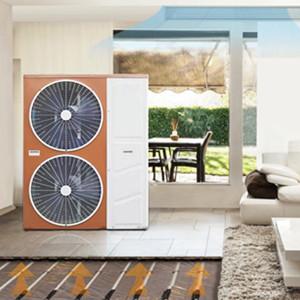
Think of it as a refrigerator in reverse. The outdoor unit absorbs heat from the outside air (even below freezing, air still contains heat). This heat is absorbed by the refrigerant, which is then compressed to further increase its temperature. This heat is then transferred to the water in the heating system, heating radiators, underfloor heating, and hot water tanks.
2) Do they work in cold weather?
Yes. Modern air source heat pumps operate efficiently even below freezing. They are designed to operate efficiently in temperatures as low as -25°C. Their popularity in cold countries like Norway and Finland demonstrates their superior performance in winter.
3) Can they cool my house too?
Yes. Unlike traditional boilers, most air source heat pumps can also operate in reverse, providing cooling in the summer. They can transfer indoor heat to the outdoors, keeping you cool.
2. Costs, Savings, and Financial Support
1) Are the operating costs high?
It depends on what you're comparing it to. Based on current UK energy prices, the operating cost of a well-designed heat pump is roughly the same as a new Class A gas boiler. You're more likely to save significantly if you're replacing an older, less efficient (Class G) gas boiler, oil, or electric heater.
The key to savings: To maximize savings, it's important to use electricity rates specifically designed for heat pumps and to use a system set to maintain a constant temperature rather than frequently adjusting it.
2) What are the upfront costs?
The typical cost of installing an air source heat pump in the UK is between £6,500 and £11,500, including VAT and labor. Prices can vary depending on the specific requirements of your home and the complexity of the installation.
3) Are there government subsidies?
Yes. The UK government offers a Boiler Upgrade Scheme that provides a £7,500 subsidy for replacing fossil fuel heating systems with heat pumps. This makes the initial cost comparable to, or even lower than, installing a new gas boiler.
3. Practicality and Installation
1) Do I need to install new radiators?
Usually yes, but not always. Heat pumps operate at lower water temperatures than gas boilers. To effectively heat your rooms, you may need to upgrade some radiators to larger models or install underfloor heating, as it has a larger surface area. A good installer will design a system tailored to your needs, which may include larger radiators.
2) Does my house need super insulation?
No, it's not a hard and fast requirement. While well-insulated houses are more efficient and have lower operating costs, heat pumps can also operate effectively in poorly insulated houses. For example, the system can be designed to compensate for insufficient insulation by using larger radiators. However, to qualify for the £7,500 Boiler Upgrade Scheme grant, your house typically needs a valid Energy Performance Certificate (EPC) that does not include any unresolved wall or attic insulation recommendations.
3) Will they be noisy?
Modern boilers are designed to be very quiet. Their noise levels are similar to normal conversation (about 60 decibels) or the noise level of a modern refrigerator. To avoid disturbing neighbors, the noise level must generally be below 42 decibels when measured one meter from a neighbor's window.
4) How much space do I need?
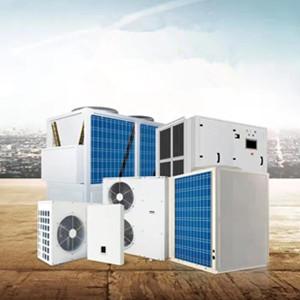
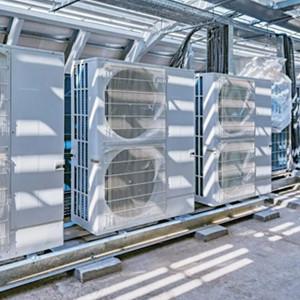
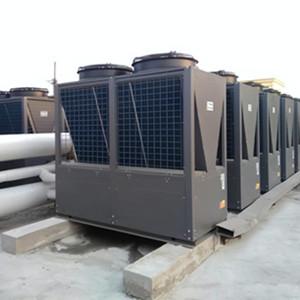
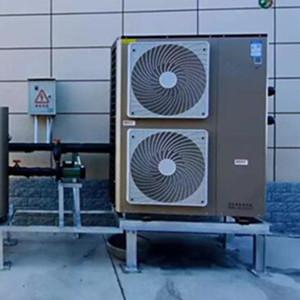
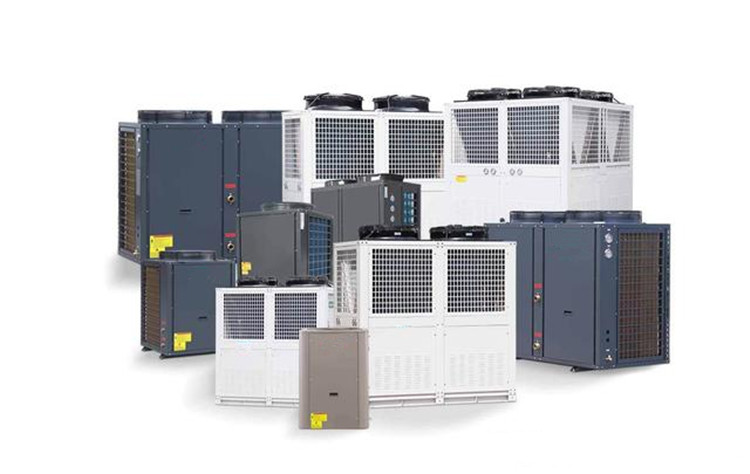
Air source heat pumps mainly consist of two parts:
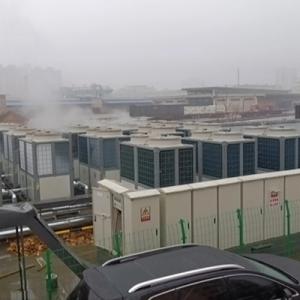
* Outdoor unit: Its size is roughly equivalent to two garden trash cans (about 1 meter high and 1.5 meters wide), installed outdoors against a wall.
* Indoor unit: You will need to reserve space indoors for a hot water tank (about 80 x 80 cm).
5) Do I need a planning permit?
In most cases, no. Air source heat pumps are generally considered "permitted developments." This may be different if you live in a building on a protected list or in a protected area, so it's always best to consult your local planning authority.
4. Maintenance and Lifespan
1) What maintenance is required?
Similar to gas boilers, heat pumps require professional maintenance annually to ensure safe and efficient operation. This maintenance is usually a prerequisite for the manufacturer's warranty.
2) What is the lifespan?
A well-maintained air source heat pump system has a long lifespan, typically between 15 and 25 years. This is much longer than a traditional gas boiler, which usually lasts 10 to 15 years.