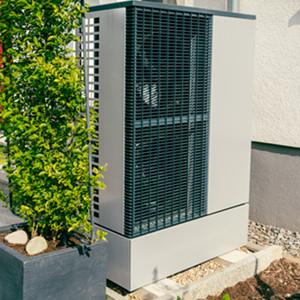
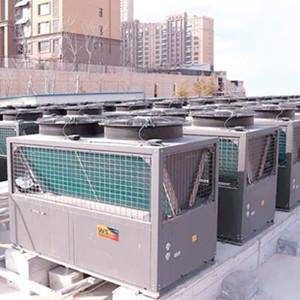
What is the Lifespan of an Air Source Heat Pump?
Air source heat pumps generally have a long service life, typically ranging from 10 to 25 years under normal use and maintenance. The specific lifespan is influenced by a combination of the following key factors:
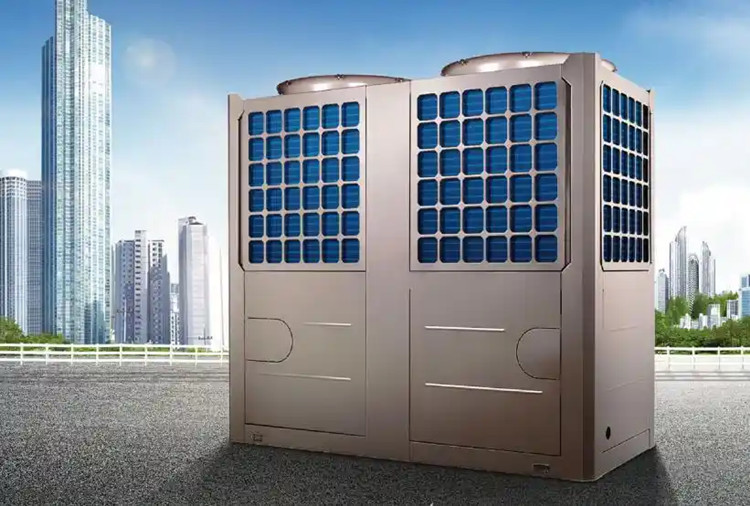
1. Brand Quality and Heat Pump Type
The quality of the brand and its components directly determines the unit's durability. The main unit of a reputable brand's air-source heat pump typically lasts 15–20 years, with some high-quality products reaching 20–25 years, while the associated water tank usually lasts around 10–15 years. Additionally, commercial air-source heat pumps differ from residential models in their design lifespan due to their higher power output and longer operating hours.
2. Installation Standards and Climate
As the saying goes, "Product quality accounts for 30%, while installation accounts for 70%"; a professional installation team and standardized procedures are crucial for extending the unit's lifespan. Improper sizing or substandard installation can accelerate wear and tear. The external environment also plays a role; for instance, salty air in coastal regions can accelerate corrosion, while high-load operation in extremely cold areas places extra stress on the system.
3. Routine Maintenance and Care
Regular maintenance is the most critical factor in determining whether a heat pump reaches or even exceeds its expected lifespan. An annual professional inspection—covering tasks such as cleaning the heat exchanger and checking refrigerant levels—is recommended to prevent minor issues from escalating into major failures. Users can also help by keeping the area around the outdoor unit free of obstructions and regularly cleaning the air filters to ensure proper airflow.
4. Operating Habits
Contrary to intuition, allowing the air-source heat pump to run continuously at a constant temperature often extends its lifespan more effectively than frequent starting and stopping. Drastic temperature fluctuations place greater stress on core components like the compressor; therefore, using a smart thermostat to maintain a comfortable room temperature is recommended to avoid excessive system strain.