Can an Air Source Heat Pump be Installed Indoors?
Homeowners considering upgrading their HVAC systems may find the sheer number of options overwhelming. To find the right solution for maintaining a stable indoor temperature, many consider air source heat pumps. However, when it comes to the optimal installation, many end up wondering: can a heat pump be installed indoors?
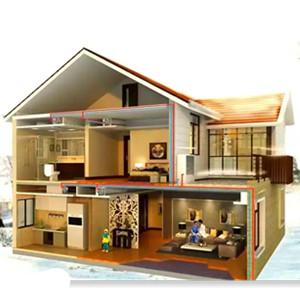
While traditional heat pump installations place the unit outdoors, it is possible to install it indoors with careful consideration and planning. We will explore the feasibility of indoor heat pump installation, its advantages, and the disadvantages you might need to consider.
1. Benefits of Indoor Air Source Heat Pump Installation
Although indoor air source heat pump installation isn't the most popular choice, it does offer some significant advantages worth considering. Here are three key advantages of installing a heat pump indoors:
1) Reduced susceptibility to severe weather: Installing the heat pump indoors automatically protects it from severe weather and extreme temperatures, extending its lifespan.
2) Enhanced security: The risk of damage or theft is significantly lower for indoor heat pumps. This extra security provides peace of mind.
3) Noise Reduction: Indoor installation helps reduce the noise generated by the air source heat pump, creating a quieter living environment for you and your family.
2. Potential Disadvantages of Indoor Air Source Heat Pump Installation
Even with these advantages, outdoor installation remains more popular for the following reasons. Here are three potential disadvantages of indoor heat pump installation:
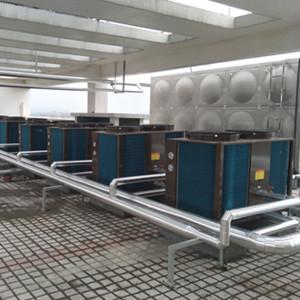
1) Space Adjustment: Indoor air source heat pump installation requires more indoor space. You not only need to reserve space for the heat pump itself, but also consider the ease of maintenance and repair, as well as good ventilation.
2) Ventilation Requirements: The working principle of a heat pump is to exchange heat with outdoor ambient air. This means that adequate ventilation is crucial for the normal operation of an air source heat pump. Indoor heat pump installation may require the installation of additional ventilation ducts or pipes to bring outdoor air into the room. This further increases the complexity of the installation, leading to higher costs.
3) Higher Installation Costs: Generally speaking, the cost of indoor heat pump installation is much higher than that of outdoor installation. This is because indoor installation requires careful space planning and often necessitates significant modifications to both the interior and exterior of the house. All of this increases labor hours and project complexity, thus increasing the total cost of the project.
3. Are air source heat pumps usually installed outdoors rather than indoors?
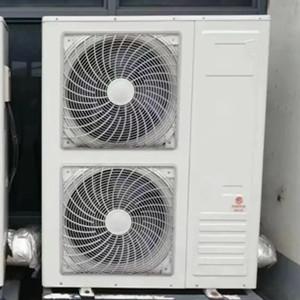
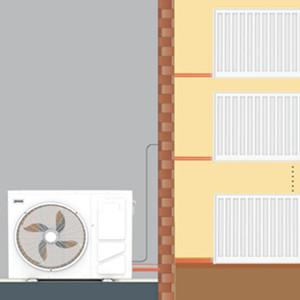
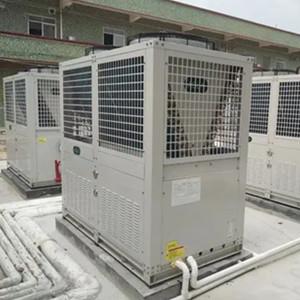
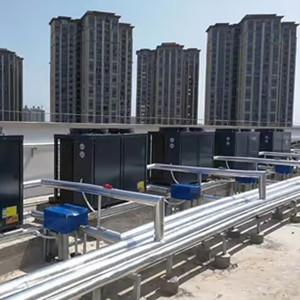
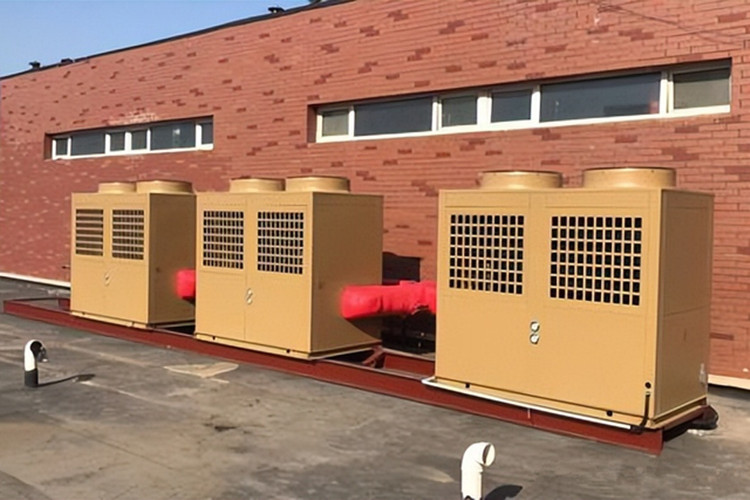
While heat pumps can be installed indoors, the most common installation location is outdoors. Outdoor heat pump installations make better use of outdoor air, which is essential for the efficient operation of air source heat pumps. Outdoor installations are also generally simpler and require less modification to the house. However, outdoor heat pumps are more susceptible to damage from natural elements such as wind and rain.