What are the Key Factors Affecting the Lifespan of An Air Source Heat Pump?
The average lifespan of an air source heat pump is typically 10 to 15 years; however, with proper maintenance, modern high-quality systems can last 15 to 20 years or even longer.
Because heat pumps provide both heating and cooling and need to operate year-round, their lifespan largely depends on several key factors.
The following are the main factors affecting the lifespan of an air source heat pump:
1. Installation Quality and Equipment Selection (Capacity Matching)
1) The lifespan of a heat pump largely depends on the conditions at the time of installation. Proper equipment selection is crucial for ensuring long-term operational reliability.
2) Oversized units can cause the space to heat up or cool down too quickly and shut down frequently, a phenomenon known as "short-cycling." This frequent start-stop cycle accelerates compressor wear.
3) Undersized units will operate at high loads continuously to reach the set temperature, leading to excessive wear and premature failure.
4) Professional installation ensures accurate refrigerant charge, good sealing, and optimized duct system connections.
2. Regular Maintenance
Regular maintenance is the most effective way to extend the lifespan of a air source heat pump. Neglected systems are more prone to failure than well-maintained ones.
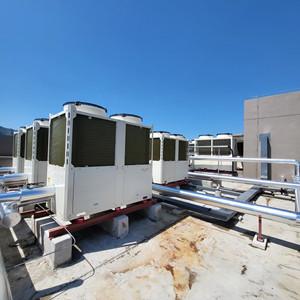
1) Homeowner's Responsibilities: Clean or replace the air filter every 1 to 3 months and remove fallen leaves, snow, and debris around the outdoor unit to ensure proper airflow.
2) Professional Service: Twice-yearly routine inspections (before the heating and cooling seasons) by technicians checking refrigerant levels, cleaning coils, inspecting electrical connections, and addressing minor issues before they escalate into major malfunctions.
3. Climate and Environmental Conditions
The climate conditions of your location directly affect the system's workload.
1) Extreme Temperatures: Harsh winters or hot summers force the heat pump to operate at maximum power for extended periods, accelerating equipment wear.
2) Air Quality and Geographic Location: In coastal homes, outdoor units are exposed to salty air; this environment accelerates corrosion if the unit lacks a protective coating. Similarly, in heavily polluted or pollen-rich urban areas, more frequent cleaning of filters and coils may be required to maintain operational efficiency.
4. Usage Habits
How the thermostat is operated is crucial. Contrary to popular belief, allowing the air source heat pump to operate continuously at a constant temperature is more beneficial for extending its lifespan than frequent, drastic temperature adjustments. Drastic temperature fluctuations force the system to operate under overload and frequently start and stop. Using a programmable or smart thermostat to maintain a stable, efficient base temperature reduces mechanical wear.
5. Brand and Manufacturing Quality
Not all heat pumps are created equal. Reputable manufacturers typically use more durable compressors, corrosion-resistant coatings, and more advanced engineering designs. While high-end models have a higher initial purchase cost, their longer lifespan and consistently high efficiency often make them more cost-effective in the long run.
6. Home Insulation and Ventilation Ducts
The workload of a heat pump depends on the building's insulation (thermal envelope). Poor insulation, drafty windows, or leaky ventilation ducts can cause regulated air loss, forcing the heat pump to run longer and increase power to compensate. Improving home insulation directly reduces the system's workload.
Signs a Heat Pump Is Approaching the End of Its Lifespan
Even with proper maintenance, heat pumps will eventually age. Look for the following warning signs:
1) Rising energy bills despite unchanged electricity usage habits indicate declining efficiency.
2) Frequent repairs, especially when annual repair costs approach half the price of a new system.
3) Uneven heating or cooling throughout the house.
4) Unusual noises (such as grinding, sharp friction, or impact sounds) or odors, which usually indicate mechanical or electrical malfunctions. Lifespan: When the equipment reaches 10 to 15 years of use, it is recommended to plan for replacement in advance, as newer models offer significant improvements in energy efficiency.
Key Recommendations
To maximize your return on investment, ensure that a certified professional selects and installs the appropriate model based on your actual needs, adhere to the annual maintenance plan, and maintain good building insulation. These measures can effectively extend the lifespan of your air source heat pump, potentially reaching 20 years.